Protecting Your Home from the Top Down: A Practical Guide to Roof Care
A roof is easy to overlook when everything is working as it should. You notice the kitchen renovation, the fresh paint on...
Read guide →HomeRepairDesk.com shares useful guides on renovations, maintenance, plumbing, roofing, cleaning, gardens, flooring, painting, decorating, design and real estate.
Clean layout, fast loading, no tag clutter on homepage, and category-first navigation.
Smart categories designed for a home improvement niche website.
General repair and improvement ideas.
RPlanning upgrades and remodels.
MSeasonal care and prevention tips.
SHome safety and protection guides.
CFresh, healthy and organised homes.
PPipes, fixtures and water systems.
GOutdoor living and garden care.
RProperty improvement and value tips.
RRoof repair, care and materials.
FFloor ideas, care and installation.
PColours, finishes and prep work.
DStylish touches for every room.
DInterior planning and layout ideas.
Recent articles from HomeRepairDesk.com.
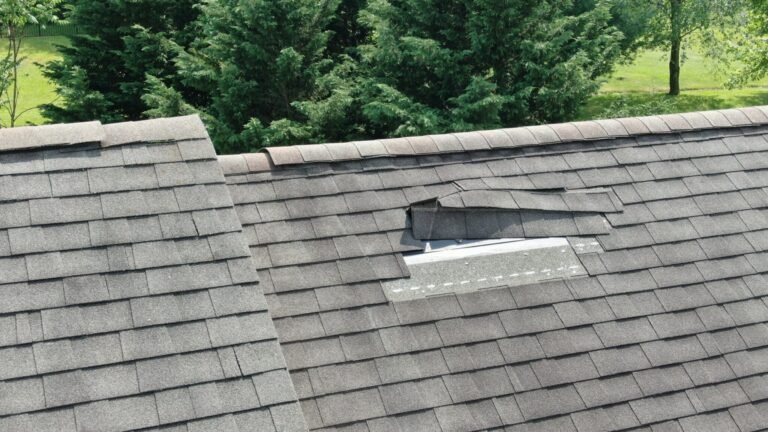
A roof is easy to overlook when everything is working as it should. You notice the kitchen renovation, the fresh paint on...
Read guide →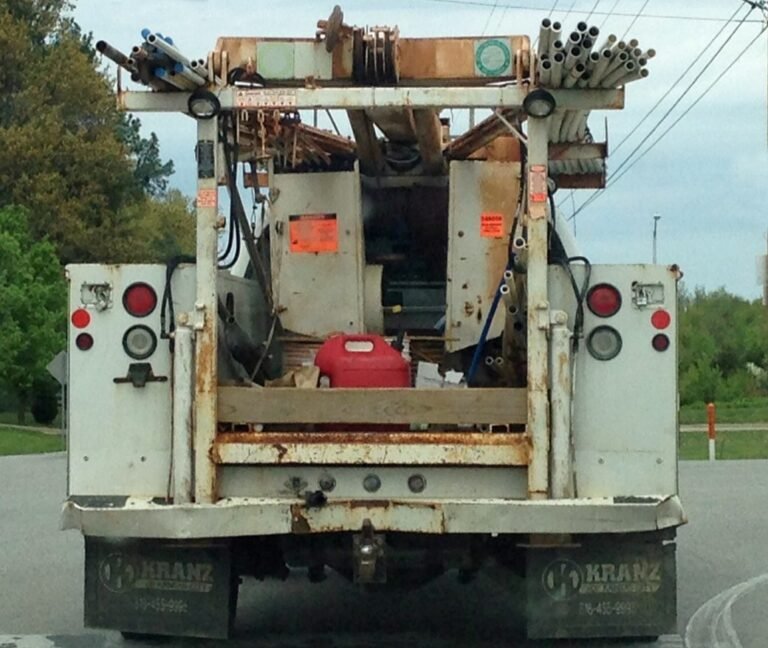
Rust has a way of showing up just when you thought a paint job would last. A utility trailer left outside for a couple of winters, an iron railing by the front steps, a farm gate that stays wet from morning dew: each one is a slow chemistry experiment. Stopping it takes more than another coat of spray paint. Why steel rusts in the first place Iron and steel corrode when they are exposed to oxygen and moisture, and the process speeds up with salt, road de-icers and pollutants in the air. The result, rust, is a form of iron oxide, a flaky, porous material that does nothing to protect the metal beneath it. Unlike the thin oxide layer that forms on aluminum, rust keeps absorbing moisture and spreading, often creeping under nearby paint where you can’t see it. Surface preparation is most of the job No coating will hold on top of loose rust, grease or old, peeling paint. How far you go depends on the item and the condition of the metal. Pay close attention to welds, seams, hinge areas and the inside corners of channel steel. These spots trap water, and they are usually where rust comes back first. Primers, paints and rust converters For light-duty items, a good rust-inhibiting primer followed by a compatible enamel topcoat can do a respectable job. Rust converters, which chemically change remaining rust into a more stable compound, are useful in places you can’t fully clean, but they are not a substitute for removing loose scale. The weak point of brush-on and aerosol paint is thickness. Thin films chip easily, and every chip becomes an entry point for water. On a gate that gets bumped by a mower or a trailer that takes gravel strikes at highway speed, that happens quickly. When DIY paint won’t last Some items simply see too much abuse. Trailers, truck racks, plow parts, livestock equipment and railings near the coast face constant moisture, impact and abrasion. For these, a sprayed protective coating applied at a much heavier film build is often worth considering. Elastomeric spray coatings such as polyurea and polyurethane form a tough, flexible layer that resists chipping and seals out water instead of just covering the surface. These coatings need professional equipment and careful prep, so they are usually applied in a shop rather than a driveway. If you are weighing that option, RustCoating.com is a helpful place to learn how sprayed rust protection works and what the process involves. Keep it from coming back Whatever finish you choose, maintenance extends its life. Rinse off salt and mud, touch up chips before they spread, keep drain holes on trailers clear, and store equipment off bare ground when you can. A little attention each season costs far less than cutting out and replacing rusted steel later.
Read guide →
A well-planned painting project can significantly improve the appearance, comfort, and value of a home. For homeowners looking into house painting Surprise...
Read guide →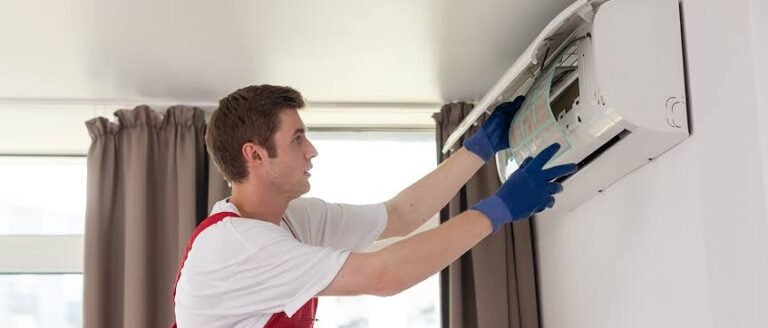
As cooler autumn temperatures approach, homeowners begin shifting focus from cooling to indoor heating. Preparing your home for the colder months requires more than simply adjusting the thermostat. Comprehensive fall HVAC duct maintenance plays an essential role in keeping your home warm, protecting indoor air quality, and reducing monthly heating expenses. Find Ducts All Done in Tampa here: https://g.co/kgs/JF9BcBc During long summer months, air conditioning systems continuously pull dust, pollen, mold spores, and household dander into internal ductwork. When heating systems kick on for fall, these accumulated particles circulate throughout living spaces. Executing proper seasonal maintenance protects mechanical components, prevents allergen flare-ups, and ensures efficient heating all season long. Why Fall HVAC Duct Maintenance Matters for Homeowners Transitioning between cooling and heating seasons provides the ideal opportunity to inspect and service home ventilation systems. Proactive care delivers significant advantages for home safety, energy efficiency, and overall indoor comfort. 1. Superior Indoor Air Quality Closed windows during cooler months mean indoor air circulates continuously through ventilation channels. Removing dust, pet dander, and fungal spores before running the heater prevents these irritants from polluting indoor air and triggering seasonal allergies or respiratory distress. 2. Maximum Energy Efficiency and Lower Bills Clogged duct pathways and dirty air filters restrict airflow, forcing heating equipment to work much harder to maintain target temperatures. Proper cleaning and maintenance restore optimal airflow, reducing furnace energy consumption by up to 15 percent and lowering utility costs. 3. Extended Equipment Lifespan Accumulated debris on blower motors, burners, and heat exchangers causes excessive mechanical friction and overheating. Routine fall care minimizes operational strain, reducing sudden breakdown risks and extending the service life of expensive HVAC equipment. Essential Step-by-Step Fall HVAC Maintenance Checklist A structured seasonal approach ensures every component of your heating and ventilation network functions safely and efficiently. Follow this comprehensive step-by-step guide to prepare your system for autumn. 1.Replace Heating and Cooling Air Filters: Prevents immediate re-contamination of clean ductwork. Remove old summer filters and inspect for heavy dust buildup. Install fresh, high-efficiency filters with an appropriate MERV rating to capture fine autumn allergens effectively. 2.Clean and Uncover All Vent Registers: Eliminates surface debris near living spaces. Unscrew wall, ceiling, and floor grilles to wash away accumulated dust and cobwebs with warm water. Ensure furniture, drapes, or rugs are not blocking supply or return vents. 3.Inspect Accessible Ductwork for Air Leaks: Focus on attics, basements, and crawlspaces. Check exposed duct channels for loose joints, disconnected sections, or damaged insulation. Use specialized foil tape or duct mastic compound to seal visible air leaks securely. 4.Inspect and Test Furnace Pilot and Burners: Essential safety measure before initial furnace startup. Clear dust from furnace burner assemblies and verify proper flame ignition. Ensure gas connections are tight and vent flues remain entirely clear of outside obstructions. 5.Schedule Professional System Deep Cleaning: Recommended every 3 to 5 years for optimal hygiene....
Read guide →Ask a child to choose a bedroom colour, and you may hear about more than paint. There could be a favourite game,...
Read guide →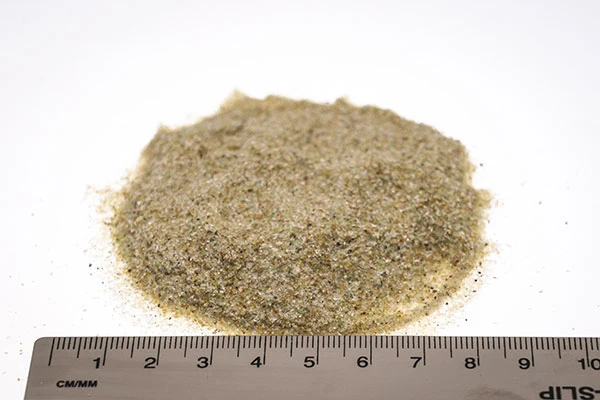
Choosing the right shot blasting materials can make a significant difference to the efficiency, consistency and overall quality of surface preparation work....
Read guide →This theme is ready for useful guides, guest posts and category-based SEO publishing.