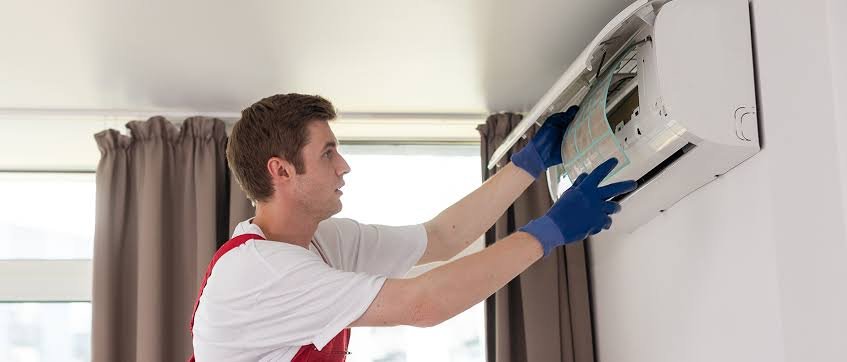
As cooler autumn temperatures approach, homeowners begin shifting focus from cooling to indoor heating. Preparing your home for the colder months requires more than simply adjusting the thermostat. Comprehensive fall HVAC duct maintenance plays an essential role in keeping your home warm, protecting indoor air quality, and reducing monthly heating expenses.
Find Ducts All Done in Tampa here: https://g.co/kgs/JF9BcBc
During long summer months, air conditioning systems continuously pull dust, pollen, mold spores, and household dander into internal ductwork. When heating systems kick on for fall, these accumulated particles circulate throughout living spaces. Executing proper seasonal maintenance protects mechanical components, prevents allergen flare-ups, and ensures efficient heating all season long.
Why Fall HVAC Duct Maintenance Matters for Homeowners
Transitioning between cooling and heating seasons provides the ideal opportunity to inspect and service home ventilation systems. Proactive care delivers significant advantages for home safety, energy efficiency, and overall indoor comfort.
1. Superior Indoor Air Quality
Closed windows during cooler months mean indoor air circulates continuously through ventilation channels. Removing dust, pet dander, and fungal spores before running the heater prevents these irritants from polluting indoor air and triggering seasonal allergies or respiratory distress.
2. Maximum Energy Efficiency and Lower Bills
Clogged duct pathways and dirty air filters restrict airflow, forcing heating equipment to work much harder to maintain target temperatures. Proper cleaning and maintenance restore optimal airflow, reducing furnace energy consumption by up to 15 percent and lowering utility costs.
3. Extended Equipment Lifespan
Accumulated debris on blower motors, burners, and heat exchangers causes excessive mechanical friction and overheating. Routine fall care minimizes operational strain, reducing sudden breakdown risks and extending the service life of expensive HVAC equipment.
Essential Step-by-Step Fall HVAC Maintenance Checklist
A structured seasonal approach ensures every component of your heating and ventilation network functions safely and efficiently. Follow this comprehensive step-by-step guide to prepare your system for autumn.
1.Replace Heating and Cooling Air Filters: Prevents immediate re-contamination of clean ductwork.
Remove old summer filters and inspect for heavy dust buildup. Install fresh, high-efficiency filters with an appropriate MERV rating to capture fine autumn allergens effectively.
2.Clean and Uncover All Vent Registers: Eliminates surface debris near living spaces.
Unscrew wall, ceiling, and floor grilles to wash away accumulated dust and cobwebs with warm water. Ensure furniture, drapes, or rugs are not blocking supply or return vents.
3.Inspect Accessible Ductwork for Air Leaks: Focus on attics, basements, and crawlspaces.
Check exposed duct channels for loose joints, disconnected sections, or damaged insulation. Use specialized foil tape or duct mastic compound to seal visible air leaks securely.
4.Inspect and Test Furnace Pilot and Burners: Essential safety measure before initial furnace startup.
Clear dust from furnace burner assemblies and verify proper flame ignition. Ensure gas connections are tight and vent flues remain entirely clear of outside obstructions.
5.Schedule Professional System Deep Cleaning: Recommended every 3 to 5 years for optimal hygiene.
Hire certified technicians equipped with negative-pressure vacuums and rotary brushes to remove deep-seated debris, mold spores, and persistent dander from interior duct walls.
Key Signs Your System Needs Professional Care
While homeowners can handle basic filter changes and vent dusting, certain warning signs indicate your heating and ventilation network needs immediate professional attention before winter hits:
- Puffs of Dust: Visible dust clouds blowing out from supply vents when the heating cycle begins.
- Spike in Utility Costs: Unexpectedly high energy bills despite consistent heating habits and thermostat settings.
- Persistent Musty Odors: Stale, dusty, or burning smells lingering across rooms long after turning on the furnace.
- Uneven Room Temperatures: Hot and cold spots occurring across different rooms due to restricted duct airflow.
- Rapid Dust Accumulation: Furniture gathering thick layers of dust within just a few days of cleaning.
DIY Tasks vs. Professional Servicing
Understanding which maintenance tasks you can handle yourself and which require certified professionals helps protect your budget and your home’s mechanical equipment.
| Maintenance Task | DIY Approach | Professional Service |
| Filter Replacement | Simple (Check every 30–90 days) | Included during annual HVAC tune-ups |
| Vent Register Cleaning | Simple (Washable grilles) | Deep sanitization of register boots |
| Duct Interior Vacuuming | Limited (Reaches 3–6 feet) | Full system (High-powered HEPA vacuums) |
| Duct Leak Sealing | Minor tape fixes | Mastic sealing & Aeroseal treatments |
| Heat Exchanger Inspection | Not recommended | Thorough safety check for cracks/leaks |
Professional HVAC technicians utilize heavy-duty equipment like compressed air whips, motorized brushes, and EPA-registered antimicrobial treatments to clean and sanitize internal systems without contaminating living spaces.
Supplementary Fall Home Comfort Recommendations
To maximize energy efficiency and overall home warmth, combine seasonal duct cleaning with broader home winterization strategies:
- Reverse Ceiling Fan Rotation: Switch fan blades to rotate clockwise at low speeds to draw cool air upward and push trapped warm air back down.
- Inspect Dryer Vents and Chimneys: Clear lint from dryer exhaust lines and soot from fireplace chimneys to eliminate severe home fire risks before heavy winter use.
- Test Smoke and Carbon Monoxide Detectors: Replace batteries and test alarm function across all detectors prior to starting fuel-burning heating equipment.
- Seal Drafty Doors and Windows: Apply fresh weatherstripping and caulk around drafty window frames to stop warm air from escaping your living spaces.
Summary & Key TakeawaysAutumn Duct Maintenance Quick Summary
- Swap Air Filters: Install clean MERV-rated filters before starting your heater for the season.
- Clear All Air Vents: Ensure return and supply grilles remain unblocked by furniture or carpets.
- Seal Visible Duct Leaks: Use mastic sealant or foil tape on uninsulated attic and basement ducts.
- Book Expert Service: Professional cleaning removes deep contaminants and protects heating equipment.
Proactive seasonal care eliminates indoor air pollutants, enhances heating efficiency, and prevents sudden mechanical failures. Investing time in proper ventilation maintenance now ensures a warm, healthy, and comfortable indoor environment throughout the entire autumn and winter seasons.