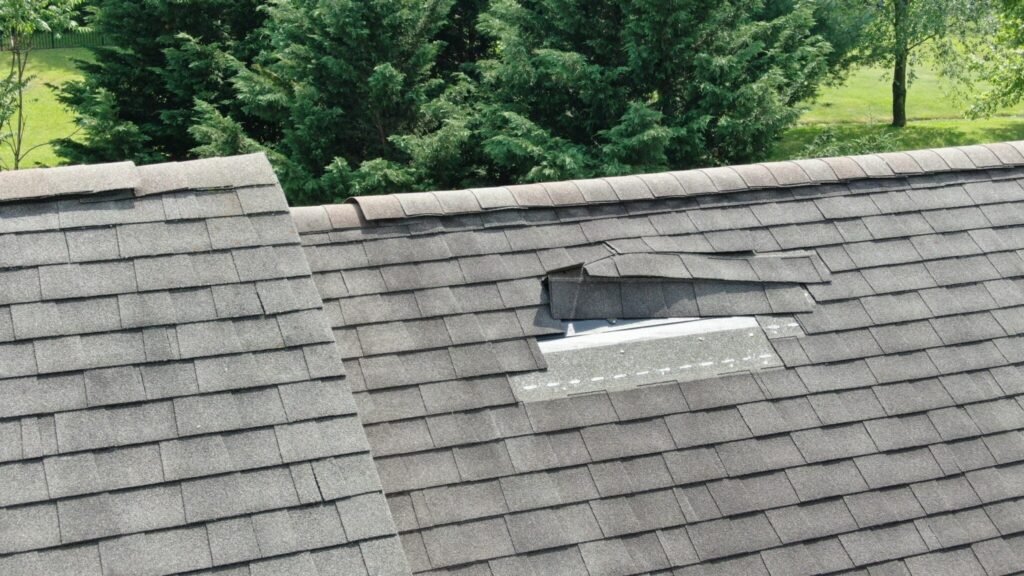
A roof is easy to overlook when everything is working as it should. You notice the kitchen renovation, the fresh paint on the walls, or the garden finally coming together, but the roof usually stays out of sight. That changes quickly when a ceiling stain appears after heavy rain or a strong wind sends shingles into the yard. Keeping a roof in good condition isn’t just about appearance. It’s about protecting the structure, belongings, and comfort of everyone living beneath it.
Understanding when to maintain, repair, or replace a roof can help homeowners make sensible decisions before a small concern turns into an expensive headache.
Why Your Roof Deserves Regular Attention
Roofs face a steady mix of challenges throughout the year. Sunlight gradually weakens roofing materials, rain tests the waterproofing, and temperature changes cause materials to expand and contract. In areas with severe weather, wind and hail can add another layer of stress.
The trouble is that roof problems don’t always announce themselves clearly. A loose shingle might seem insignificant, yet it can allow water to reach the underlayment or roof decking. Once moisture gets into those hidden spaces, it may contribute to damaged wood, insulation problems, mold growth, and interior staining.
A simple visual check from the ground, especially after a major storm, can help you spot obvious changes. Look for missing shingles, sagging sections, damaged flashing, or debris collecting around roof valleys. Homeowners should avoid climbing onto steep or wet roofs, though. A qualified roofing professional can inspect areas that aren’t safe to reach.
Knowing When a Repair Is Enough
Not every roofing issue calls for a complete overhaul. Sometimes the problem is limited to a few cracked shingles, a damaged flashing joint, or a small leak around a vent. When the rest of the roof remains in good condition, roof repair may be the most practical way to restore protection without taking on the cost of a larger project.
The important part is identifying the actual source of the problem. Water doesn’t always appear directly below the place where it enters. A leak near a chimney, for example, may travel along roof decking before becoming visible on an upstairs ceiling. Simply painting over a stain or sealing the first visible gap may hide the symptom without fixing the cause.
A professional inspection can help determine whether a repair will provide a durable solution. The roofer should explain what is damaged, what work is needed, and whether nearby materials show signs of wear. Ask for a written estimate and clarification about labor, materials, and any applicable workmanship warranty. Clear answers make it easier to compare options and avoid surprises.
When Replacement Becomes the Better Investment
There comes a point when repeated repairs stop making financial sense. If shingles are curling across large sections, granules are disappearing rapidly, or leaks keep returning in different locations, the roof may be nearing the end of its useful life. Age matters, too, although the expected lifespan depends on the material, installation quality, climate, ventilation, and maintenance history.
In these circumstances, roof replacements may offer better long-term value than continuing to patch individual trouble spots. A new roof can address widespread deterioration and provide an opportunity to improve ventilation, inspect the underlying decking, and update flashing or drainage details where needed.
Replacement is a substantial investment, so it deserves careful planning. Compare more than the headline price. Ask about the roofing system being installed, removal and disposal of old materials, ventilation requirements, cleanup procedures, permits, and warranty coverage. The cheapest proposal isn’t always the least expensive choice over time if it leaves important work out of the scope.
Homeowners should also discuss the material options available for their property. Asphalt shingles, metal roofing, tile, and other systems differ in cost, appearance, weight, maintenance needs, and performance. The right choice depends on the building, local conditions, budget, and personal priorities.
Responding Quickly After Severe Weather
Storms can create roofing damage that isn’t obvious from the street. Hail may bruise or crack shingles, strong winds can lift their edges, and falling branches can damage both the roof covering and the structure underneath. Even when the roof looks mostly intact, small openings may let water enter during the next downpour.
After severe weather, check the property from a safe location. Look for fallen branches, scattered roofing pieces, damaged gutters, or new water marks inside the home. If water is actively entering, protect furniture and belongings where possible and contact a qualified professional promptly. Avoid walking on the roof or attempting temporary fixes in dangerous conditions.
Reliable storm damage/ restoration work begins with a careful assessment. The contractor should document visible damage, identify urgent measures to limit further water intrusion, and explain which repairs are necessary. If an insurance claim may be involved, keep photographs, inspection notes, receipts, and copies of written estimates. Contact your insurer to understand the policy’s requirements and deadlines before authorizing major work, except where immediate action is needed to prevent additional damage.
Be cautious of contractors who pressure you into signing an agreement immediately after a storm or promise that insurance will cover every expense. A reputable professional will explain the process clearly and allow you time to review the details.
Small Habits That Help a Roof Last Longer
Roof maintenance doesn’t need to be complicated. In fact, consistent attention is often more useful than an occasional expensive intervention. Keep gutters clear so water can drain properly, trim branches that scrape against roofing materials, and make sure downspouts direct water away from the foundation. Poor drainage can create problems beyond the roof itself.
It’s also worth paying attention to the attic. Excessive heat, damp insulation, musty smells, or visible moisture can indicate ventilation or leakage concerns. Good attic ventilation and insulation help manage temperature and moisture, but changes should be made with professional guidance to avoid creating new problems.
Arrange periodic inspections based on the roof’s age, condition, material, and exposure to severe weather. An inspection after a major storm is especially sensible, even if no leak has appeared yet. Finding a small issue early is usually easier than dealing with damaged drywall, insulation, or framing later.
Choose a Roofing Plan with Confidence
A healthy roof provides peace of mind because it quietly does its job through changing seasons and unpredictable weather. The key is knowing when to act and choosing a solution that fits the property’s real needs.
Whether the next step is a targeted repair, a full replacement, or an assessment after severe weather, take time to understand the condition of the roof and the work being proposed. Look for qualified professionals who communicate clearly, provide detailed estimates, and stand behind their workmanship.
A little attention today can help prevent a much bigger problem tomorrow. And when it comes to protecting your home, that is time and money well spent.