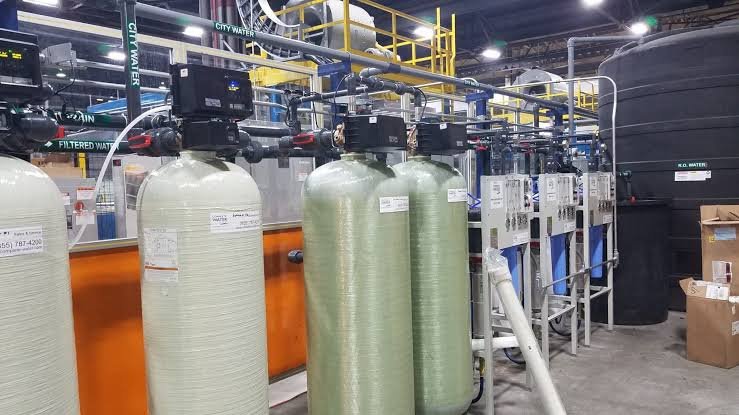
Running a business comes with countless responsibilities, and water quality is one of those things that often stays in the background—until it becomes a problem. Whether it’s a restaurant serving hundreds of meals a day, a manufacturing plant relying on water for production, or a hotel focused on guest satisfaction, clean and dependable water quietly supports almost every operation.
The truth is, water isn’t the same everywhere. One area may struggle with hard water, while another deals with sediment, chlorine, iron, or even contaminants that affect taste, equipment, and efficiency. That’s why more business owners are paying closer attention to the quality of the water flowing through their buildings. It’s not just about compliance anymore. It’s about protecting investments, reducing maintenance costs, and delivering a better experience for employees and customers alike.
Water Quality Impacts More Than You Think
Many businesses don’t realize how much untreated water can influence daily operations. Hard water leaves mineral deposits inside pipes, coffee machines, boilers, and industrial equipment. Over time, those tiny deposits become expensive repairs or unexpected downtime.
Restaurants may notice cloudy glassware. Hotels might receive complaints about dry skin or unpleasant water taste. Manufacturing facilities can experience inconsistent production if water quality fluctuates. Even office buildings aren’t immune, especially when appliances and plumbing systems begin wearing out sooner than expected.
Small issues rarely stay small for long. That’s why proactive water treatment usually ends up costing far less than waiting for equipment failures.
Every Business Has Different Water Needs
There’s no such thing as a universal water treatment system. A healthcare facility has completely different requirements than a brewery or a commercial laundry service. Water usage, local water conditions, and operational goals all influence the right approach.
Many companies now choose commercial water treatment solutions because they can be tailored to specific industries instead of relying on one-size-fits-all equipment. A properly designed system addresses actual water concerns rather than adding unnecessary components, making the investment far more effective over the long run.
That customized approach often improves efficiency while helping businesses lower utility expenses and maintenance requirements.
The Hidden Cost of Ignoring Water Problems
Business owners usually notice obvious expenses like utility bills and payroll, but poor water quality creates hidden costs that slowly chip away at profitability.
Scale buildup reduces the efficiency of heating systems, causing them to consume more energy. Mineral deposits shorten the lifespan of expensive equipment. Filters clog faster, plumbing repairs become more frequent, and production interruptions start adding up.
Sometimes the impact isn’t financial at first—it shows up in customer satisfaction. A hotel guest who notices unpleasant-smelling water or a restaurant customer who dislikes the taste of beverages may never mention it. They simply don’t come back.
Little details shape reputations.
Why Expert Planning Matters
Installing a water treatment system isn’t just about purchasing equipment from a catalog. Before any recommendations are made, water should be properly analyzed to understand what’s actually present.
Different contaminants require different treatment methods. Softening hard water won’t remove bacteria. Carbon filtration may improve taste but won’t solve every issue. Reverse osmosis works wonderfully in certain situations but isn’t always necessary for large commercial applications.
That’s where professional installation and support become incredibly valuable. Experienced technicians can evaluate water quality, size the equipment correctly, ensure everything meets local regulations, and continue monitoring system performance over time. Businesses benefit from fewer surprises and greater confidence that their investment is actually solving the right problem.
Technology Has Improved Dramatically
Water treatment technology isn’t what it was twenty years ago.
Modern commercial systems often include automated monitoring, smart controls, high-efficiency filtration, and equipment designed to reduce maintenance. Some systems even notify facility managers when filters need replacement or when operating conditions change unexpectedly.
These innovations save time while helping businesses avoid interruptions that could otherwise affect productivity. Automation also reduces human error, making ongoing maintenance simpler for busy teams.
For companies focused on sustainability, newer systems frequently use less water, consume less energy, and minimize waste compared to older equipment.
Long-Term Value Goes Beyond Equipment
One interesting thing about water treatment is that the benefits continue showing up long after installation.
Equipment lasts longer.
Energy bills often decrease.
Maintenance schedules become more predictable.
Employee comfort improves.
Customers notice cleaner ice, better-tasting beverages, softer linens, or more reliable service—even if they don’t consciously realize why.
These improvements don’t always appear overnight, but they accumulate steadily. In many cases, businesses recover their investment through lower operating costs and fewer repair expenses over several years.
Building the Right Solution for Your Facility
No two buildings operate exactly alike, even within the same industry. Water demand changes throughout the day, production schedules fluctuate, and local water supplies vary from season to season.
Because of this, experienced providers typically recommend custom water solutions designed around real operating conditions rather than generic assumptions. This approach allows businesses to expand systems as they grow while maintaining consistent water quality across every department.
Flexibility matters because today’s small operation could easily become tomorrow’s multi-location business.
Choosing a Water Treatment Partner
Not every provider offers the same level of expertise. Looking beyond price alone often leads to better long-term results.
A trustworthy water treatment company should begin with testing, explain findings in plain language, recommend only necessary equipment, and remain available after installation. Ongoing maintenance, responsive service, and technical knowledge often prove more valuable than simply purchasing the least expensive system.
Business owners should also ask about warranties, maintenance schedules, replacement parts, and future upgrade options before making a decision.
Strong partnerships tend to outperform quick sales.
A Smarter Investment for the Future
Water quietly influences nearly every aspect of business operations, yet it’s surprisingly easy to overlook until problems begin appearing. Whether the goal is protecting expensive equipment, improving customer experiences, reducing operating costs, or supporting sustainable practices, investing in better water quality simply makes good business sense.
The companies that think ahead usually spend less reacting to emergencies later. Instead of constantly repairing equipment damaged by untreated water, they create systems that work efficiently day after day with fewer interruptions.
At the end of it all, water treatment isn’t just about cleaner water. It’s about building a business that’s more reliable, more efficient, and better prepared for whatever comes next. That’s an investment that continues paying dividends long after the system is installed.