Most of us don’t spend much time thinking about water until there’s a problem.
A leaking pipe suddenly stains the ceiling. The shower pressure drops for no obvious reason. Maybe the water starts tasting slightly metallic, or the washing machine decides to quit in the middle of a cycle. Until then, water is just… there. Quietly doing its job in the background while life moves on around it.
But after talking with homeowners over the years — and dealing with a few frustrating plumbing surprises myself — I’ve realized something: the quality and reliability of a home’s water setup affects daily life far more than people expect.
Not in dramatic movie-scene ways. More in small, constant ways that slowly shape comfort, cleaning, maintenance costs, and peace of mind.
The Hidden Work Happening Behind the Walls
Water systems are kind of like the nervous system of a house. You rarely see them, but everything depends on them functioning properly.
From morning showers to dishwashers running overnight, modern homes rely heavily on dependable plumbing and filtration setups. And yet, many homeowners inherit outdated systems or never fully understand what’s actually running through their pipes.
That’s one reason residential water systems have become such an important topic lately. People are starting to pay attention not only to water flow, but also water quality, filtration, efficiency, and long-term reliability.
Because honestly, once problems begin, they rarely stay small for long.
Hard Water, Old Pipes, and Everyday Frustrations
One homeowner I knew kept replacing faucet fixtures every couple of years because they always ended up looking worn and cloudy. Another complained constantly about towels feeling rough no matter how much detergent or fabric softener they used.
Different symptoms. Same root issue.
Mineral-heavy water can quietly affect everything from plumbing fixtures to appliances and even skin comfort. Older pipes can introduce additional concerns like rust particles or sediment. Sometimes the signs are subtle enough that people simply accept them as “normal.”
But they don’t have to be.
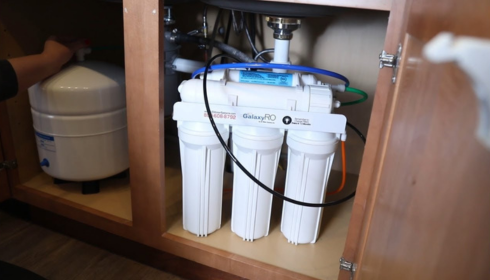
Water filtration and softening systems have become far more accessible than they used to be. And unlike trendy home upgrades that mostly improve appearance, improving water quality actually changes the way a house functions every day.
Choosing the Right Setup Isn’t Always Simple
This is the part many homeowners underestimate.
There’s no universal system that magically works for every property. Water quality varies by region, neighborhood, and sometimes even by individual street. What works perfectly in one home may not solve the issues in another.
That’s why proper installation matters just as much as the equipment itself.
A poorly sized or incorrectly configured system can create frustrating performance problems later. Water pressure issues, uneven filtration, inefficient softening cycles — these things happen more often than people realize when systems are rushed into place without proper evaluation.
Honestly, a good installer usually asks more questions than a salesperson does. They’ll want to know about household size, water usage habits, existing plumbing conditions, and local water characteristics before recommending anything.
That attention to detail makes a difference.
It’s Not Just About Drinking Water
When people hear “water filtration,” they often picture kitchen sinks or bottled water alternatives. But home water quality affects much more than what ends up in a glass.
Think about how often water interacts with your home:
- Laundry cycles
- Showers
- Dishwashing
- Water heaters
- Coffee makers
- Refrigerators
- Bathroom fixtures
Poor water quality can gradually increase wear on all of these systems. Hard water especially tends to create mineral buildup inside appliances, forcing them to work harder over time.
That hidden stress often shortens appliance lifespan without homeowners realizing why.
Small Maintenance Habits Prevent Bigger Problems
One thing people rarely talk about enough is routine maintenance.
Even the best water systems need occasional attention. Filters require replacement. Softeners may need salt refills or calibration checks. Sediment systems should be inspected periodically to ensure they’re still functioning efficiently.
The good news is that most modern systems are far easier to maintain than older generations were. Many newer models even include monitoring systems that alert homeowners when servicing is needed.
And honestly, staying ahead of small maintenance tasks is usually much cheaper than reacting to large repairs later.
Kind of like changing oil in a car. Nobody gets excited about it, but ignoring it eventually becomes expensive.
The Comfort Factor Is Real Too
Not every benefit shows up on a repair bill.
Homes with balanced water systems often feel easier to live in overall. Soap rinses cleaner. Laundry feels softer. Glassware looks clearer. Skin and hair sometimes feel less dry after showers.
They’re small improvements individually, but together they noticeably change daily routines.
You may not walk into the house one day and think, “Wow, this water system changed my life.” It’s subtler than that.
Instead, you slowly stop noticing the little annoyances that used to frustrate you.
Technology Has Improved More Than People Think
Older water systems sometimes had a reputation for being bulky, inefficient, or difficult to manage. Modern systems are very different.
Today’s options are often more compact, energy-efficient, and customizable to specific household needs. Some even integrate with smart home systems, allowing homeowners to monitor water usage or detect leaks remotely.
It’s one of those industries that quietly evolved while most people weren’t paying attention.
Final Thoughts
Water is easy to take for granted because it’s such a routine part of life. Turn a handle, and it appears. Simple.
But behind that simplicity is a system that affects comfort, cleanliness, appliance performance, and long-term home maintenance every single day.
Investing in better water quality or improving outdated plumbing systems isn’t always the flashiest home project. There’s no dramatic before-and-after reveal like a kitchen remodel.
Still, it’s one of those improvements that quietly pays off over time — not just financially, but in the overall feeling of living comfortably inside your own home.