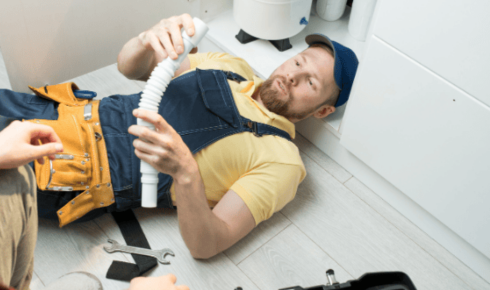
It usually starts at the worst possible time. Late at night, early morning, or right when you’re about to leave the house. A pipe bursts, a tap refuses to shut off, or water begins creeping across the floor like it owns the place. There’s no warning, no polite introduction—just chaos, really.
And in those moments, you realize something simple but important: plumbing isn’t just a system. It’s the quiet backbone of everyday life. When it fails, everything else pauses.
The Panic Phase (We’ve All Been There)
There’s a certain kind of stress that comes with water problems. It’s immediate. You don’t have the luxury to “deal with it later.” You grab towels, buckets, anything nearby, trying to contain the situation while mentally calculating how bad this could get.
That’s where emergency plumbing services suddenly feel like a lifeline rather than just another option. Because when water is involved, time matters. A delay of even an hour can turn a manageable issue into a costly disaster—damaged floors, ruined furniture, even structural problems if it goes unchecked.
And honestly, in those moments, you’re not looking for the cheapest option. You’re looking for someone who will actually show up and fix it properly.
Experience Shows in the Small Details
Not all plumbers work the same way. Some arrive, fix the visible issue, and leave. Others take a few extra minutes, maybe even longer, to check what’s happening behind the scenes.
You can tell the difference almost instantly.
Experienced plumbers tend to approach things differently. They listen first. They ask questions. They don’t rush straight into action without understanding the full picture. It’s a quieter, more thoughtful approach—and it usually leads to better outcomes.
I remember once watching a plumber inspect a simple leak. What looked like a minor crack in the pipe turned out to be a pressure issue affecting the entire line. It wasn’t obvious. But he caught it. Fixed it properly. And probably saved a much bigger problem down the road.
That kind of awareness doesn’t come from guesswork. It comes from years of seeing things go wrong—and learning how to make them right.
Not Every Problem Needs a Big Fix
Here’s something interesting: not all plumbing issues are as dramatic as they feel in the moment.
A slow drain, for example, might just need a proper cleaning. A noisy pipe could be due to air in the system. Sometimes the solution is surprisingly simple—once you know what you’re looking at.
This is where good plumbing solutions come into play. Not overcomplicated, not over-engineered, just practical fixes that actually solve the problem without creating new ones.
There’s a certain honesty in that approach. It’s not about upselling or adding unnecessary work. It’s about doing what’s needed—and doing it well.
Why Prevention Rarely Gets the Attention It Deserves
Let’s be honest—most of us don’t think about plumbing until something breaks. It’s just how we’re wired. If everything’s working, why fix it?
But the truth is, many major plumbing issues start small. A loose joint. A bit of corrosion. A slight blockage. Things that are easy to ignore… until they aren’t.
Regular checks, even simple ones, can make a huge difference. You don’t need a full inspection every month, but paying attention to early signs can save you from bigger headaches later.
Strange sounds, slow drainage, inconsistent water pressure—these are your home’s way of nudging you. Ignoring them might work for a while, but eventually, they demand attention.
The Cost Conversation (A Bit Uncomfortable, But Necessary)
No one likes talking about money, especially when it comes to unexpected repairs. But plumbing has a way of making that conversation unavoidable.
The tricky part is balancing cost with quality. A cheaper fix might seem appealing at first, but if it doesn’t last, you’re back to square one—and probably spending more in the long run.
On the other hand, investing in proper work upfront often brings something that’s hard to measure: peace of mind. Knowing that the job was done right, that you won’t wake up to the same problem tomorrow—that’s worth something.
A Quiet Kind of Trust
There’s an interesting relationship between homeowners and plumbers. It’s built quickly, often under stressful conditions, and relies heavily on trust.
You’re letting someone into your space, your home, sometimes during a moment of panic. You’re trusting them to fix something you don’t fully understand. And in return, you hope for honesty, skill, and a bit of reassurance.
When that trust is earned, it sticks. You remember the person who showed up on time, explained things clearly, and left your space clean and functioning.
Closing Thoughts: It’s More Than Just Pipes
At the end of the day, plumbing is one of those things you rarely notice when it’s working—and can’t ignore when it’s not. It sits quietly in the background, supporting your routine, your comfort, your everyday life.
But when things go wrong, the right help makes all the difference.
So maybe it’s worth thinking about before the next emergency. Not in a rushed, panicked way—but in a calm, practical one. Knowing who to call. Knowing what to expect.
Because when water doesn’t wait, neither should your solution.