Water has this strange habit of becoming invisible when everything works properly. You turn on the tap, fill a glass, start the dishwasher, maybe water the lawn, and move on without thinking twice. But the second something changes — low pressure, odd taste, cloudy residue, equipment issues — suddenly water becomes the center of attention.
It’s funny how quickly we notice when something so ordinary stops feeling reliable.
Over the years, conversations around water quality and treatment have shifted quite a bit. It’s no longer only about having access to water. People care about efficiency, sustainability, taste, plumbing protection, and long-term system performance too. Whether it’s a family home, a busy office building, or a manufacturing facility, clean and dependable water quietly keeps everything moving.
Water Problems Don’t Always Announce Themselves
One of the more frustrating things about water-related issues is how subtle they can be in the beginning. Hard water buildup doesn’t happen overnight. Neither does sediment damage or mineral scaling inside pipes and appliances.
Usually, the warning signs arrive slowly.
Maybe coffee starts tasting slightly metallic. Soap doesn’t lather properly anymore. White spots appear on dishes no matter how carefully you clean them. Some people first notice it through dry skin or dull laundry. Others discover it after an expensive appliance repair bill.
And honestly, many homes and businesses adapt to poor water conditions without even realizing how much it’s affecting daily operations.
Why Homes Need Smarter Water Solutions
For homeowners, water quality is deeply personal because it touches nearly every routine. Cooking, bathing, laundry, cleaning — it all depends on consistent water performance. A problem with water doesn’t stay isolated to one faucet for long.
That’s one reason residential water systems have become increasingly common in recent years. Homeowners aren’t just looking for luxury upgrades anymore. They’re trying to protect plumbing, improve efficiency, and create healthier living environments overall.
The interesting thing is that the benefits are often more noticeable than expected. Softer towels. Cleaner dishes. Better-tasting drinking water. Reduced scale buildup around faucets. Small changes individually, sure, but together they noticeably improve daily comfort.
And unlike trendy home gadgets that get forgotten after a few months, water improvements become part of everyday life almost immediately.
Businesses Depend on Reliable Water More Than People Realize
When people think about water systems, they often picture homes first. But businesses rely heavily on water quality too — sometimes even more critically.
Restaurants, hotels, gyms, apartment complexes, healthcare facilities, and office buildings all depend on stable water conditions behind the scenes. Poor water quality can damage equipment, affect customer experiences, and increase maintenance costs surprisingly fast.
That’s where commercial water systems come into play. These systems are designed to handle higher demand while maintaining consistency across larger properties. And consistency matters more than many business owners initially realize.
Imagine a restaurant where ice tastes odd, glassware constantly appears cloudy, or coffee quality changes throughout the day. Customers might not immediately identify water as the cause, but they’ll absolutely notice the result.
Reliable water systems quietly protect both operations and reputation.
Industrial Facilities Face a Different Kind of Challenge
Industrial environments bring another layer of complexity entirely. Factories, manufacturing plants, processing facilities, and production centers often require highly controlled water conditions because even small inconsistencies can affect machinery, efficiency, or product quality.
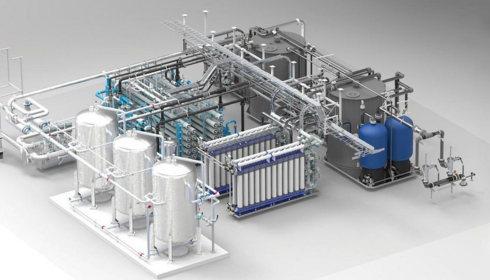
That’s why industrial water systems are usually engineered with much more specialized filtration and treatment processes. In these environments, water isn’t just a utility — it’s part of the operational backbone.
Mineral buildup, contamination, corrosion, or untreated sediment can create downtime that costs companies serious money. And in industrial settings, downtime adds up quickly.
What’s interesting is how much preventative maintenance matters here. Businesses that stay proactive with monitoring and servicing usually avoid the larger disasters that come from neglected systems.
One Size Rarely Fits Every Situation
A common mistake people make is assuming all water treatment systems work the same way. In reality, every property has different water conditions, usage demands, and infrastructure challenges.
A rural home using well water faces completely different concerns than a downtown hotel connected to municipal infrastructure. Likewise, an industrial processing facility has far different needs than a suburban family home.
That’s why proper testing and professional recommendations matter so much. Guessing can become expensive very quickly.
The best water solutions usually come from understanding the actual problem first rather than chasing whatever system happens to be trending online.
Maintenance Is the Overlooked Piece
People love talking about installation, but maintenance deserves just as much attention. Filters wear out. Valves need inspection. Mineral buildup happens gradually. Ignoring routine care often shortens system lifespan and reduces efficiency over time.
The good news is that modern systems have become far easier to maintain than older models. Many include monitoring features or service reminders that simplify the process considerably.
And honestly, a little routine maintenance now is almost always cheaper than major repairs later.
Final Thoughts
Water affects far more than most people realize. It influences comfort at home, operational efficiency in businesses, and performance inside industrial environments. Yet because it works quietly in the background, it’s easy to overlook until something goes wrong.
The reality is simple: better water systems create better daily experiences.
Sometimes that means cleaner drinking water at home. Sometimes it means protecting expensive commercial equipment. Other times, it means keeping industrial operations running smoothly without interruption.
Different environments. Different demands. But the same basic truth underneath it all — reliable water matters more than people tend to notice until they finally experience the difference themselves.