Most homeowners don’t spend much time thinking about water damage until they’ve lived through it once. And honestly, that’s understandable. Pipes are hidden behind walls, under sinks, inside ceilings — out of sight, out of mind. Everything feels fine until one tiny leak turns into warped flooring, peeling paint, or a repair bill that makes your stomach drop a little.
The frustrating part is that water problems rarely begin dramatically. They start quietly.
A loose washing machine hose. A dripping pipe under the kitchen sink. A water heater connection that slowly weakens over time. By the time visible damage appears, the leak has often been there for days or even weeks.
That’s probably why more homeowners are becoming proactive about preventing water damage instead of simply reacting to it afterward.
Water Damage Has a Way of Escalating Fast
People tend to underestimate how quickly water spreads inside a house. A small leak doesn’t politely stay in one spot. It moves through drywall, under flooring, into insulation, and sometimes even electrical areas. What begins as a tiny plumbing issue can suddenly involve contractors, mold remediation, flooring replacements, and insurance claims.
And if the leak happens while nobody’s home? That’s when situations can become genuinely overwhelming.
A friend of mine left for a weekend trip last year and came back to a burst supply line behind the laundry room wall. The damage spread across multiple rooms before a neighbor noticed water leaking into the driveway. The part that bothered him most wasn’t even the repair cost — it was how preventable it probably was.
That experience changed the way he looked at home maintenance completely.
Smart Detection Systems Are Becoming More Common
Technology has quietly transformed home protection over the last few years. Smoke detectors became smarter. Security systems became easier to manage remotely. Now water monitoring is heading in the same direction.
Many homeowners are installing sensors near appliances, water heaters, dishwashers, and sinks to catch leaks early before they spiral into major repairs. Some systems send instant notifications directly to your phone the moment unusual moisture is detected.
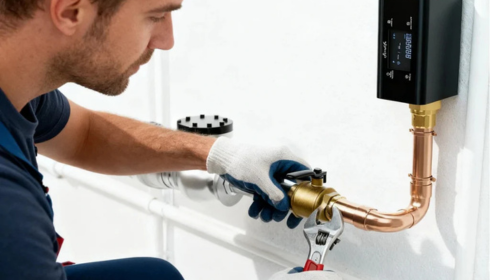
Others go even further with a whole home automatic shut-off system that can stop water flow automatically if a serious leak is identified. These setups connect directly to a home’s plumbing system and act almost like a safety switch for the entire house.
At first glance, it can sound a little excessive. Until you think about how much damage uncontrolled water can cause in just a few hours.
Prevention Feels Boring Until You Need It
Here’s the truth nobody really talks about: preventative home maintenance isn’t exciting. People naturally spend money on visible upgrades because they feel rewarding immediately. New countertops? Great. Fresh flooring? Feels satisfying. Leak prevention systems hidden near a water line? Not exactly glamorous.
But prevention often saves more money than flashy renovations ever will.
Good water protection isn’t only about avoiding catastrophic floods either. It also helps reduce long-term moisture problems that slowly damage a property over time. Small leaks can encourage mold growth, weaken materials, and create unpleasant indoor air conditions without homeowners realizing what’s happening behind walls or beneath flooring.
The tricky part is that water damage doesn’t always announce itself clearly. Sometimes the warning signs are subtle — a musty smell, bubbling paint, unexplained increases in water bills, or floors that feel slightly uneven near appliances.
People ignore these little clues more often than they should.
Older Homes Need Extra Attention
Older properties can be especially vulnerable because plumbing systems age quietly. Pipes corrode internally. Connections loosen over decades. Water heaters wear out. Rubber hoses become brittle.
And honestly, many homeowners don’t know how old certain plumbing components even are.
That uncertainty is one reason regular inspections matter so much. Checking under sinks occasionally, inspecting appliance hoses, and monitoring water pressure can catch problems before they become emergencies. It’s not complicated work most of the time, just easy to postpone.
We’ve all done that thing where we notice a small issue and think, “I’ll deal with it next weekend.” Then suddenly three months disappear somehow.
Leak Detection Technology Keeps Improving
One interesting shift in recent years is how accessible leak monitoring systems have become. They’re no longer limited to luxury homes or expensive custom installations. Many newer systems are surprisingly user-friendly and integrate directly with smartphone apps.
Some homeowners start small with simple sensors near washing machines or water heaters. Others invest in more advanced leak control systems that monitor water flow patterns throughout the house and identify unusual activity automatically.
For example, if water continues running for an unusually long time while nobody’s home, the system may recognize it as abnormal and send alerts immediately. In certain cases, it can shut off the supply before major flooding occurs.
That kind of automation used to feel futuristic. Now it’s becoming fairly normal.
Peace of Mind Matters More Than People Expect
What surprises many homeowners after installing leak detection systems isn’t just the practical protection — it’s the reduction in stress.
Leaving home for vacation feels different when you know your plumbing system is being monitored. Traveling for work becomes a little less nerve-racking. Even during heavy storms or freezing winter nights, there’s reassurance in knowing you’ll receive alerts if something goes wrong.
And honestly, peace of mind has value.
Homeownership already comes with enough unpredictability. Roof repairs happen. Appliances fail. Unexpected maintenance always seems to appear at inconvenient times. Preventing avoidable water damage simply removes one major risk from the equation.
In the end, most homeowners don’t install leak prevention systems because they expect disaster tomorrow. They install them because protecting a home quietly, consistently, and before problems escalate usually makes far more sense than dealing with the aftermath later.