You don’t always notice water problems right away. Most of the time, they sneak into daily life quietly. A glass of tap water tastes slightly different than usual. Your shower leaves your skin feeling oddly dry. Maybe the dishes come out of the dishwasher looking cloudy no matter how much rinse aid you use.
At first, it’s easy to shrug those things off. Busy schedules have a way of pushing little annoyances into the background. But eventually, people start asking questions. And more often than not, those questions lead back to the home’s water.
It’s interesting, really. We rely on water constantly, yet most of us know very little about what’s flowing through our pipes every day.
Why Water Matters More Than We Realize
Water touches nearly every part of home life. We drink it, cook with it, bathe in it, clean with it, and run appliances through gallons of it daily without much thought. Because it’s always there, we tend to treat it as automatic — almost invisible.
Until something changes.
A friend of mine once replaced her washing machine twice within a few years and couldn’t understand why appliances kept failing. The culprit wasn’t the machine at all. It turned out the home had extremely hard water that was quietly damaging internal components over time.
Stories like that are more common than people think.
That’s part of why homeowners have become more interested in understanding their water systems in recent years. Not because everyone suddenly became obsessed with plumbing, but because people are realizing how directly water quality affects comfort, maintenance costs, and even daily routines.
Sometimes improving water quality doesn’t just protect pipes — it improves the overall feeling of the home itself.
The Difference Between “Working” and Working Well
Here’s the thing: just because water runs from the tap doesn’t mean it’s functioning at its best.
Some homes deal with hard minerals. Others struggle with sediment, chlorine, odors, or inconsistent pressure. In rural areas, well water can introduce completely different concerns compared to municipal systems in cities or suburbs.
And honestly, many people live with water issues for years simply because they assume that’s normal.
They assume every shower leaves dry skin.
They assume cloudy dishes are unavoidable.
They assume strange-tasting tap water is just “how water tastes.”
But once homeowners experience properly treated water, they usually notice the difference almost immediately.
Coffee tastes cleaner. Laundry feels softer. Soap actually lathers properly. Even the house itself can feel easier to maintain because mineral buildup becomes less aggressive.
It’s not dramatic in a movie-scene kind of way. It’s quieter than that. More subtle. But very real.
Why Whole-Home Treatment Is Becoming More Popular
For years, many people focused only on drinking water filters attached to kitchen sinks or refrigerator dispensers. Those still help, of course, but homeowners are increasingly thinking beyond a single faucet.
That’s where whole-house systems enter the conversation.
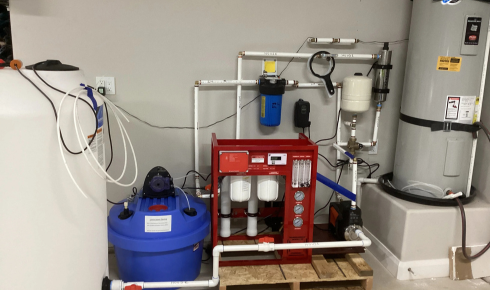
Instead of treating water in just one area, these systems work at the point where water enters the home. That means showers, washing machines, dishwashers, and every faucet benefit from cleaner, more balanced water.
For larger households especially, this approach often feels more practical long term. There’s a consistency to it. You’re not fixing one symptom while ignoring the rest of the house.
Of course, not every home needs a large-scale setup. Some families benefit from simple filtration, while others require more advanced treatment depending on local water conditions. The key is understanding what your water actually needs instead of buying equipment blindly because of clever advertising.
There’s No Universal Fix for Every Home
One thing the internet does poorly is nuance.
Search for water treatment advice online and suddenly you’ll see people insisting that every home urgently needs expensive filtration equipment immediately. Others dismiss all water concerns entirely. Reality usually lands somewhere in between.
The best approach tends to be practical rather than emotional.
Start with testing.
Understand what’s in the water.
Identify actual problems instead of guessing.
Then choose realistic solutions that match your household.
That’s where tailored water solutions make the biggest difference. Good systems aren’t about buying the fanciest equipment possible. They’re about solving real issues without unnecessary complexity.
Sometimes the answer is a water softener. Sometimes it’s sediment filtration. Sometimes homeowners discover their water is mostly fine and only needs minor adjustments.
And honestly, that reassurance matters too.
Water Quality Affects More Than Drinking
People naturally focus on drinking water first, but water impacts far more than what goes into a glass.
Think about how often water interacts with your life every single day. Your child’s bath. Your morning coffee. Your favorite sweater in the washing machine. Your water heater quietly working behind the scenes.
Hard minerals can shorten appliance lifespan. Chlorine-heavy water may affect skin sensitivity. Sediment buildup can reduce plumbing efficiency slowly over time. Small issues gradually become expensive ones when ignored too long.
But the emotional side matters too, maybe more than people admit.
There’s comfort in trusting the water inside your own home. Comfort in not second-guessing what comes out of the faucet. Comfort in simple routines feeling easy again.
Sometimes Better Water Means a Better Home Experience
Not every home improvement needs to be flashy. Some of the most meaningful upgrades are the ones people quietly appreciate every single day.
Cleaner showers.
Brighter laundry.
Better-tasting drinking water.
Less scrubbing around sinks and faucets.
None of those things make dramatic before-and-after television moments, but they genuinely improve everyday life.
And maybe that’s why homeowners are paying closer attention now. Not because water treatment suddenly became trendy, but because people are realizing how much daily comfort depends on the quality of something they’ve always taken for granted.