Technology has slipped into our homes so naturally that most of us barely notice it anymore. Lights respond to voice commands, thermostats learn our routines, and security cameras send alerts before we even reach the driveway. Yet one area of the home has quietly started evolving in the background without getting nearly as much attention — water management.
And honestly, it makes sense.
Water is one of the few things every household depends on every single day. We cook with it, clean with it, drink it, shower in it, and somehow still take it for granted until something leaks, breaks, or suddenly tastes strange. But homeowners are beginning to realize that smarter water systems can do more than just prevent problems. They can make everyday living easier, healthier, and surprisingly more efficient.
Water Waste Often Happens Without Anyone Noticing
Most leaks don’t begin dramatically. There’s no movie-style burst pipe flooding the kitchen overnight. Usually it starts with tiny drips hidden behind walls or under sinks. Slow, silent problems.
The frustrating part is how long these issues can go unnoticed. A small leak may waste gallons of water every day for months before anyone spots the higher utility bill or the faint stain creeping across a ceiling.
That’s one reason interest in smart home water management has grown so quickly. Modern systems can now monitor water usage in real time, detect unusual activity, and alert homeowners before minor issues turn into expensive disasters.
A neighbor near me installed a monitoring system after a vacation home incident ruined half the flooring in his basement. He joked afterward that the device paid for itself emotionally before it ever paid for itself financially. And honestly, I understood what he meant.
There’s comfort in knowing your house can warn you when something feels off.
Convenience Matters More Than People Admit
When people think about smart technology, they usually focus on flashy features. But most homeowners don’t actually want complicated gadgets. They want fewer hassles.
That’s why newer water technologies are becoming more practical rather than futuristic. Automated shutoff systems, leak detection sensors, and usage tracking tools are designed to blend quietly into daily life instead of demanding attention all the time.
Even hydration habits are changing inside homes and offices. More families are moving away from heavy bottled water deliveries because storing giant plastic containers simply feels outdated now. It’s inconvenient, messy, and honestly kind of annoying after a while.
That shift has helped companies like drop smart water gain attention by focusing on connected, filtered water systems designed around convenience and sustainability. People increasingly want cleaner drinking water without constantly lifting bottles, replacing cases from grocery stores, or worrying about plastic waste piling up.
Small lifestyle improvements tend to matter more than flashy promises.
Kitchens Are Becoming Smarter Too
The kitchen has quietly turned into the center of modern home technology. Refrigerators track groceries. Coffee machines connect to apps. Water systems are following the same direction.
Filtered water stations and advanced dispensers now feel less like luxury products and more like practical upgrades. Especially for families who drink a lot of water every day, the difference becomes noticeable pretty quickly.
I remember visiting an office a few years ago where employees constantly swapped giant water jugs in the break room. Somebody always forgot to order replacements, and eventually people ended up buying plastic bottles from vending machines anyway. It was chaotic in a strangely ordinary way.
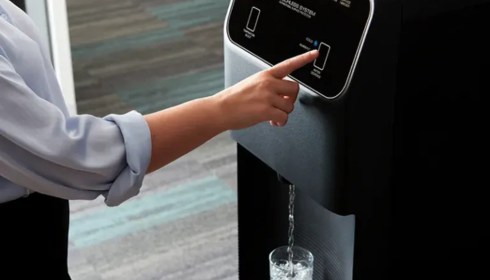
Now many workplaces and homes are switching to bottleless water dispensers because they simplify everything. No lifting. No storage headaches. No piles of empty containers cluttering corners.
And surprisingly, people often say the water tastes better too.
Sustainability Has Become Part of the Conversation
It’s impossible to ignore how much environmental awareness has influenced home decisions lately. Homeowners are thinking more carefully about waste, energy usage, and long-term efficiency than they did ten years ago.
Water systems are part of that shift.
Reducing unnecessary water waste doesn’t just lower utility bills. It conserves resources in a way that feels increasingly important, especially in regions dealing with drought concerns or rising infrastructure pressures.
Plastic waste matters too. The convenience of bottled water came with environmental costs people didn’t fully think about for years. Now there’s more interest in systems that provide filtered water directly from the tap while reducing reliance on disposable plastics.
The interesting thing is that sustainability and convenience are finally starting to align instead of competing with each other. That wasn’t always the case before.
Smart Homes Should Still Feel Human
One concern some homeowners have is whether smart systems make homes feel overly technical or cold. Fair question, honestly. Nobody wants to feel like they’re living inside a science experiment.
But the best smart technology tends to disappear into the background. It quietly solves problems without demanding constant attention. Good water systems work the same way.
You shouldn’t have to think about leaks every week. You shouldn’t struggle with lifting water bottles or wondering if your tap water tastes odd because something changed in the plumbing. Reliable systems create peace of mind precisely because they stop becoming daily concerns.
And maybe that’s the real appeal of smarter water management. It’s not about chasing trends or filling homes with gadgets. It’s about reducing friction in ordinary life.
Water Technology Is Quietly Reshaping Daily Living
Most homeowners won’t sit around talking excitedly about water systems over dinner. But once people experience better convenience, cleaner drinking water, or early leak detection, it’s surprisingly hard to go backward.
The future of home technology probably won’t be defined by the loudest innovations. More likely, it’ll be shaped by the quiet systems that improve daily comfort without us constantly noticing them.
Water sits at the center of so many routines we barely think about. Yet smarter solutions are making those routines cleaner, simpler, and less stressful in ways that genuinely matter.
And honestly, that feels like technology being used the right way for once.