There’s a certain kind of satisfaction in a home that feels put together—not in a showroom-perfect way, but in that quiet, lived-in sense where everything works as it should. Doors close without effort, walls look clean and solid, furniture sits where it belongs without wobbling or complaint. It sounds simple. But keeping things that way? That’s where the real story begins.
Most homes don’t fall apart overnight. They slowly drift into disrepair, one tiny issue at a time.
When Walls Start Telling Stories
You don’t always notice it at first. Maybe it’s just a small dent in the wall from moving furniture. Or a crack that shows up near a corner and seems harmless enough. Life happens inside a home, and walls tend to collect those little moments.
But over time, those marks add up. They stop feeling like character and start feeling like neglect. That’s usually the point where people start thinking about drywall repair—not just to fix the surface, but to bring back that clean, solid feeling walls are supposed to have.
Because walls aren’t just structure. They frame everything. And when they’re off, even slightly, the whole room feels different.
Doors That Don’t Quite Cooperate
There’s something oddly frustrating about a door that doesn’t behave. It sticks when you try to open it. Or it swings shut when it shouldn’t. Sometimes it just refuses to align properly, like it’s got its own personality.
We get used to these quirks, adjusting our movements without even realising it. A little push here, a careful pull there. But when you step back and think about it—should it really be that way?
Proper door installation isn’t just about putting a door in place. It’s about balance. Alignment. Making sure it moves the way it’s meant to, without resistance or effort. When it’s done right, you don’t notice it at all. And maybe that’s the point.
The Furniture Puzzle Nobody Talks About
Flat-pack furniture looks so easy in the store. Clean lines, perfect angles, everything neatly displayed. Then it arrives at your home in a box that feels far too small for what it’s supposed to become.
You open it, lay out the pieces, and suddenly it’s a puzzle. Instructions that seem straightforward but somehow aren’t. Screws that look identical but apparently aren’t. And at some point, you wonder if you’ve missed a step—or several.
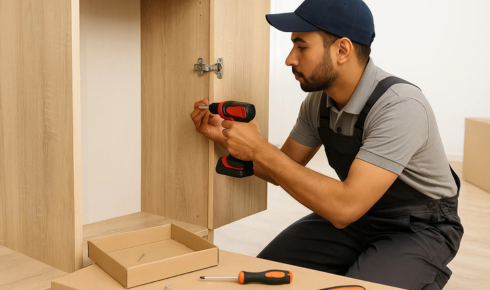
That’s where furniture assembly becomes more than just a task. It’s about getting it right the first time. Because poorly assembled furniture doesn’t just look off—it can feel unstable, unsafe even. And let’s be honest, no one wants to sit on a chair wondering if today’s the day it gives up.
The Weight of Small Problems
Here’s the thing most people don’t talk about: small issues carry weight. Not physically, but mentally. Every time you notice that crack, that uneven door, that wobbly table—it’s a tiny reminder that something’s not quite right.
Individually, they’re manageable. Together, they create a sense of unfinished business in your own space.
Fixing them isn’t just about maintenance. It’s about clearing that mental clutter. It’s about walking into your home and not being greeted by a list of things you’ve been meaning to fix.
Knowing When to Call It In
There’s always that internal debate—should you handle it yourself or call someone who knows what they’re doing? And the answer, honestly, depends.
Some things are simple. Others look simple until they aren’t.
The tricky part is knowing the difference. A quick patch job might hold for a while, but if it’s not done properly, the problem tends to come back. Sometimes worse than before.
Bringing in someone experienced isn’t about giving up—it’s about recognising that some jobs deserve a certain level of precision. And not everything is worth the trial-and-error approach.
A Home That Feels Complete
There’s a quiet kind of joy in a home where everything feels finished. Not perfect, but complete. Walls smooth and steady. Doors working without complaint. Furniture sitting exactly as it should.
You don’t think about these things when they’re right. But you definitely notice when they’re not.
And maybe that’s the takeaway—home isn’t just about big renovations or dramatic changes. It’s about the little fixes, the small adjustments that keep everything in harmony.
Because at the end of the day, a home that works well doesn’t just look better. It feels better too.