It’s funny how something as ordinary as a door can go unnoticed for years… until the day it doesn’t. Maybe the handle feels loose, or the paint starts to peel, or you visit someone else’s home and suddenly realise—oh, this is what a well-designed entrance feels like.
Doors are strange like that. They sit quietly at the edge of our daily routines, opening and closing without ceremony. But when they’re done right, they shape how a space feels in a way that’s hard to ignore.
The Small Details That Quietly Matter
Most people focus on the door itself—the material, the colour, the size. But the little things? They often get overlooked.
Take door hardware, for example. It sounds like a technical term, but really, it’s everything your hand touches—the handle, the lock, the hinges. And those details can change the entire experience.
There’s a difference between a handle that feels flimsy and one that has a bit of weight to it. You notice it without thinking. The way it turns, the soft click when it locks—it all adds up. It’s subtle, but it’s the kind of subtle that sticks with you.
I remember replacing an old handle once, nothing fancy, just a sturdier option. It didn’t transform the house overnight, but somehow, the door felt… better. More reliable. It’s odd how small upgrades can shift your perception like that.
Where Function Meets First Impressions
Now, step back a bit. Look at the door as a whole. It’s not just something you use—it’s something people see before they even step inside.
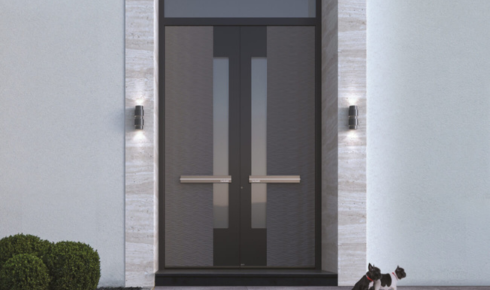
That’s where exterior doors carry a bit more responsibility than we usually give them credit for. They’re the first handshake, the first hello. They hint at what’s waiting on the other side.
But it’s not just about looks. These doors deal with everything—sun, rain, dust, temperature swings. They have to be tough without looking like they’re trying too hard.
And when you get that balance right, it shows. A well-made exterior door doesn’t scream for attention, but it doesn’t fade into the background either. It just feels… right. Like it belongs there.
When You Want Something That Feels Like Yours
There’s a point where standard options start to feel limiting. You scroll through designs, visit showrooms, and everything starts to blur together. Nothing feels quite like you.
That’s usually when people start thinking about custom entry doors. Not because they want something extravagant, but because they want something that fits—properly.
Maybe it’s a specific size. Maybe it’s a design that matches the architecture of the home. Or maybe it’s just the idea of having something that wasn’t mass-produced a thousand times over.
Custom doesn’t always mean complicated. Sometimes it’s just about adjusting the little things—the finish, the panel design, the glass placement. But those small changes can make a door feel personal in a way off-the-shelf options rarely do.
Living With Your Choice
What’s interesting is how quickly a door becomes part of your everyday life. At first, you notice everything. The way it opens. The sound it makes when it shuts. Even how it looks at different times of the day.
Then, gradually, it blends in.
But every now and then, it catches your attention again. Maybe when a guest compliments it, or when you come home after a long day and pause for a second before stepping inside. It’s a small moment, but it’s there.
And I think that’s what makes a good door—it doesn’t demand attention, but it earns it.
It’s Not Just About the Door
At some point, you realise it’s not just about wood, metal, or glass. It’s about how all the pieces come together.
The structure, the hardware, the design, the way it fits into the space—it all plays a role. Ignore one part, and something feels off. Get it right, and everything just works.
And no, it doesn’t have to be perfect. In fact, the slightly imperfect, human choices are often the ones that feel the most real.
A Quiet Ending Thought
Doors don’t ask for much. They open, they close, they stand there through years of use without complaint. But when you give them a bit of thought—choose the right materials, pay attention to the details—they give something back.
A sense of arrival. A feeling of home.
And maybe that’s enough.