Stay or Move Out? Living Through a Whole-Home Renovation
Stay or Move Out? Living Through a Whole-Home Renovation
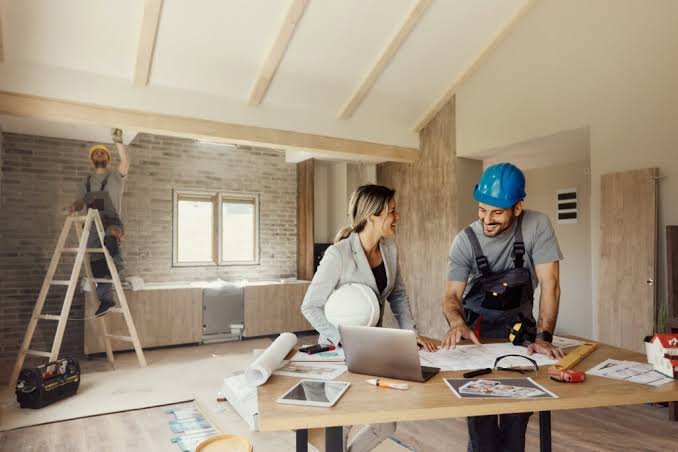
A whole-home renovation changes nearly every room in the house. Kitchens are gutted, bathrooms are rebuilt, floors come up, walls move and systems are replaced. Before the first wall comes down, every household faces a very personal decision: do we stay in the house while the work happens, or do we move out until it’s finished?
As you plan the next step, explore House Painting Surprise AZ Tips for a Beautiful Home Finish.
There’s no single right answer. The best choice depends on the scope of the project, the layout of the home, the people living in it and how much disruption everyone can realistically tolerate.
Understanding What a Whole-Home Project Really Involves
For a complementary perspective, read Residential Garage Storage Ideas That Actually Work.
A full renovation is different from updating one or two rooms. It often includes demolition across multiple areas, new plumbing and electrical runs, heating and ventilation changes, insulation upgrades and sometimes structural work. Utilities may be shut off for hours or days at a time, and certain phases create heavy dust, noise and vibration.
Knowing the sequence of work helps you picture daily life during construction. Ask your contractor to walk you through each phase and point out when the house will be least livable.
When Staying in the Home Can Work
Living on site is possible for many projects, especially when the work can be organized in zones. It tends to work best when:
- The house is large enough to seal off active construction areas
- At least one bathroom and a basic kitchen setup can stay in use
- The project is phased so that some rooms are always finished or untouched
- No one in the household is especially sensitive to dust or noise
- Work schedules allow adults to be away during the loudest hours
Staying put saves the cost and hassle of temporary housing, keeps children in familiar routines and lets you see progress up close. Many homeowners also appreciate being nearby to answer questions and make decisions quickly.
When Moving Out Is the Smarter Choice
Some situations make temporary relocation the more practical option:
- The entire house is being opened up at once, leaving no safe living zone
- Major systems such as heating, water or electrical will be offline for extended periods
- Asbestos, lead paint or significant mold must be addressed
- Family members include infants, older adults or people with respiratory concerns
- Pets would struggle with constant noise, strangers and open doors
Moving out also tends to make construction faster. Crews can work across the whole house without protecting occupied areas or packing up tools every evening, which can shorten the overall schedule.
Preparing to Live in a Construction Zone
If you decide to stay, preparation makes a big difference in comfort and safety.
Set up a temporary kitchen in a room away from the work: a refrigerator, a microwave or countertop cooktop, a coffee maker and a utility sink or easy access to a bathroom sink for washing dishes. Plan simple meals and stock up on disposable or easy-to-clean dishware.
Protect your belongings by packing items from affected rooms and storing them in a finished space, a garage or a storage unit. Fragile items and valuables are safer fully out of the house.
Agree on boundaries with your contractor. Sealed plastic barriers, negative air pressure in work zones, protected walkways and daily cleanup all help keep dust contained. Clear rules about working hours, entry points and where crews take breaks make the arrangement smoother for everyone.
Planning a Temporary Move
If moving out makes more sense, plan early. Short-term rentals near your home keep commutes and school routines intact. Some families stay with relatives for part of the project and rent for the rest. Others time the most disruptive phases around travel or extended visits.
Pack the house as if you were moving, but label boxes by the room they’ll return to. Forward mail if needed, and make sure your contractor knows how to reach you for decisions and site visits.
Remember to check with your insurance provider before construction begins. Coverage for a home under renovation or temporarily unoccupied may differ from standard policies.
Keeping Communication Clear Either Way
Whether you stay or go, communication is what keeps a whole-home renovation on track. Regular updates, a shared schedule and a single point of contact help you plan around the work and avoid surprises. Scheduled walkthroughs at key milestones let you check progress and make decisions while changes are still easy.
For homeowners planning a whole-house renovation in Seattle, it helps to choose a team that plans the project around how your household will live during construction, sequencing the work to keep essential spaces usable or to wrap up quickly if the house is empty.
Making the Decision
Start by listing what your household truly needs to function day to day. Then compare that list with the project schedule and the phases that will affect each room. If those needs can be met safely and with reasonable comfort, staying may work well. If not, a temporary move can protect your family’s wellbeing and help the project finish faster.
A whole-home renovation is a big undertaking, but with the right plan for where and how you’ll live, it becomes a manageable journey toward a home that fits your life for years to come.
Related Posts