When people think about refrigeration, they often picture a refrigerator humming quietly in the corner of a kitchen. It’s one of those things we rarely pay attention to until it suddenly stops working. Then everything changes. Food begins to spoil, business operations slow down, and the inconvenience becomes impossible to ignore.
Reliable refrigeration isn’t just about keeping things cold. It’s about protecting investments, maintaining food safety, preserving comfort, and avoiding expensive surprises. Whether it’s a neighborhood café, a grocery store, or a family home, properly maintained refrigeration equipment makes everyday life a whole lot easier. And honestly, most people don’t realize just how much depends on these systems until they’re faced with an unexpected breakdown.
Why Refrigeration Systems Deserve More Attention
Cooling equipment works almost nonstop. Unlike many household appliances that get occasional use, refrigeration systems operate day and night without much of a break. That constant workload naturally leads to wear and tear over time.
Small issues usually don’t appear overnight. A clogged condenser coil, a refrigerant leak, or a worn-out fan motor often develops gradually. At first, everything seems normal. Then the unit starts consuming more electricity, temperatures fluctuate, and eventually the system struggles to keep up.
Routine inspections may seem unnecessary when everything is running smoothly, but they often prevent much larger repairs later. In many cases, fixing a minor issue early costs only a fraction of what a complete system failure would.
Businesses Depend on Reliable Cooling
Restaurants, supermarkets, convenience stores, medical facilities, and food distributors all rely heavily on refrigeration. A single equipment failure can lead to inventory losses worth thousands of dollars, not to mention interrupted operations and unhappy customers.
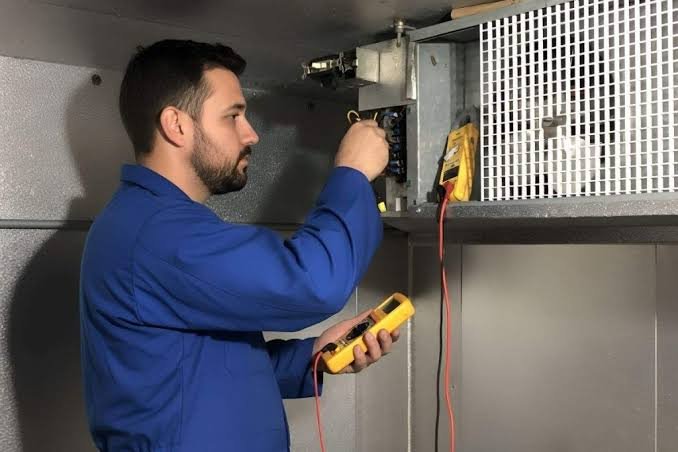
That’s why many companies invest in professional commercial refrigeration services instead of waiting until an emergency occurs. Preventive maintenance keeps compressors efficient, verifies temperature accuracy, checks electrical components, and catches problems before they become costly.
It’s really a practical business decision. Spending a little on maintenance today often saves significantly more tomorrow.
Homeowners Benefit Just as Much
Although commercial systems receive most of the attention, homeowners shouldn’t overlook their own equipment. Modern refrigerators, wine coolers, beverage centers, ice makers, and freezer units contain sophisticated components that also require occasional care.
Many HVAC companies now offer residential services that include refrigeration system inspections alongside heating and cooling maintenance. This approach makes sense because many of the same principles apply across both types of equipment.
For families, preventing food waste alone can justify regular maintenance. Add improved energy efficiency and fewer unexpected repairs, and the value becomes pretty obvious.
Small Maintenance Habits Make a Big Difference
Not every maintenance task requires a service call. There are a few simple habits that help refrigeration systems perform better for years.
Cleaning condenser coils every few months removes dust and debris that force compressors to work harder. Keeping vents unobstructed allows proper airflow. Checking door seals ensures cold air stays inside where it belongs.
Even something as simple as avoiding overloaded shelves can improve air circulation inside the refrigerator.
These aren’t complicated tasks, but together they reduce unnecessary strain on the equipment.
Why Professional Expertise Still Matters
DIY maintenance certainly has its place, but refrigeration systems involve electrical components, refrigerants, pressure controls, and specialized diagnostic equipment. Those aren’t areas where guesswork usually ends well.
Qualified companies employ experienced technicians who understand how different manufacturers design their systems. Instead of replacing parts blindly, they diagnose root causes, perform accurate repairs, and ensure the equipment operates safely afterward.
That expertise often shortens repair time while preventing repeat failures that can become frustrating and expensive.
Energy Efficiency Isn’t Just About Saving Money
Electricity costs continue to rise in many regions, making efficiency more important than ever.
A poorly maintained refrigeration unit typically runs longer cooling cycles because it struggles to remove heat efficiently. Dirty coils, low refrigerant levels, or failing motors all increase energy consumption without improving performance.
Proper servicing restores efficiency by allowing every component to work together as intended. While monthly savings may seem modest at first, they add up over the lifespan of the equipment.
There’s another benefit too. Efficient systems generally experience less wear, meaning they often last longer before replacement becomes necessary.
Emergency Repairs Can Be Stressful
Equipment rarely chooses a convenient time to fail.
Restaurants may discover problems just before dinner service. Grocery stores might notice temperature issues during busy shopping hours. Homeowners often wake up to melting freezer contents after an overnight breakdown.
Having an established relationship with a trusted refrigeration company can make these situations much less stressful. Instead of scrambling to find someone available, customers already know who to call.
That peace of mind is difficult to measure, but anyone who’s dealt with a refrigeration emergency understands its value.
Choosing the Right Service Provider
Finding a dependable refrigeration company involves more than comparing prices.
Experience, response time, licensing, transparent communication, and customer reviews all matter. Companies that explain repairs clearly, provide realistic recommendations, and prioritize long-term system health often build lasting customer relationships.
It’s also worth asking whether maintenance plans are available. Scheduled service visits can help prevent emergency breakdowns while extending equipment life.
In many cases, the cheapest repair isn’t actually the most affordable option if the problem returns a few weeks later.
Long-Term Value Goes Beyond Repairs
A well-maintained refrigeration system delivers consistent temperatures, lower utility bills, quieter operation, and greater reliability. Those benefits aren’t always obvious from day to day, but they become incredibly noticeable over several years.
Preventive maintenance also supports food safety, which is particularly important for businesses handling perishable inventory. Even small temperature fluctuations can affect product quality if left unresolved for too long.
Reliable equipment creates confidence. Customers trust businesses that maintain proper food storage, while homeowners appreciate knowing their groceries remain safely preserved.
Final Thoughts
Refrigeration systems quietly perform one of the hardest-working jobs in any building. Whether serving a busy restaurant, protecting valuable inventory, or simply keeping groceries fresh at home, these units deserve regular attention rather than emergency-only repairs.
The smartest approach isn’t waiting for something to break. It’s recognizing that consistent maintenance, professional inspections, and timely repairs help avoid larger problems down the road. Over time, that mindset saves money, reduces stress, improves efficiency, and extends equipment life.
In the end, dependable refrigeration isn’t just about cold air. It’s about reliability, confidence, and protecting the things that matter every single day. When systems receive proper care before problems become serious, everyone benefits—from business owners and employees to families gathered around their kitchen table.