There’s a funny thing about water—we trust it more than almost anything else in our homes. We drink it without thinking, cook with it every day, and let it run over our skin like it’s always been perfect.
But then, every now and then, something feels slightly off. The taste isn’t quite right. The smell lingers a bit longer than it should. Or maybe your appliances don’t last as long as they used to. Nothing alarming. Just… different.
And that’s usually where the curiosity begins.
The Subtle Signs We Often Ignore
Most people don’t wake up one day suddenly worried about water quality. It creeps in quietly. A kettle that builds up residue faster than usual. Soap that refuses to lather properly. Clothes that don’t feel as soft after washing.
It’s easy to shrug these things off. Life moves on. But over time, these small inconveniences start to feel connected—as if they’re all part of the same story.
They usually are.
Water carries more than just hydration. It carries minerals, sediments, sometimes even trace chemicals that affect how it behaves in your home. And once you start noticing, it’s hard to go back to not caring.
Making Sense of What’s Coming Through the Tap
Here’s the thing—water isn’t the same everywhere. Even two homes in the same city can experience different water conditions depending on supply lines, infrastructure, or storage systems.
That’s why there’s no single “perfect fix.” Some households need basic filtration. Others benefit from more advanced setups designed to target specific concerns.
This is where residential water solutions come into the picture. Not as a one-size-fits-all answer, but as a tailored approach to improving how water feels, tastes, and functions within a home.
Sometimes it’s about removing impurities. Other times, it’s about balancing mineral content or simply making everyday water use a little more comfortable.
Beyond Homes: A Bigger Scale, Bigger Impact
While homeowners are becoming more aware, businesses have long understood the importance of water quality. Restaurants, factories, hotels—they all rely on consistent, reliable water for their operations.
Think about it. A restaurant’s food quality depends on the water used for cooking. A manufacturing unit needs clean water to maintain equipment efficiency. Even small inconsistencies can lead to noticeable problems.
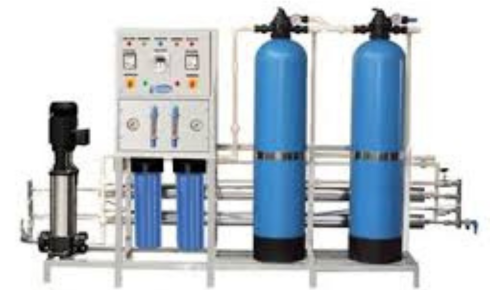
That’s why commercial water treatment systems are often more robust and specialized. They’re designed not just for safety, but for performance—ensuring everything runs smoothly behind the scenes.
It’s not glamorous work, but it’s essential. And when done right, no one even notices. Which, oddly enough, is the goal.
When Expertise Makes All the Difference
There’s a point where guesswork stops being helpful. You can read articles, watch videos, even test a few DIY solutions—but eventually, understanding your water requires a deeper look.
That’s where water quality experts step in. They don’t just recommend products; they analyze what’s actually happening in your water supply and suggest solutions that make sense for your specific situation.
It’s a bit like going to a doctor instead of self-diagnosing. Sure, you might have an idea of the problem, but having someone confirm it—and guide you properly—makes all the difference.
And often, the solution turns out to be simpler than expected.
The Everyday Impact We Don’t Talk About
Better water doesn’t always show up in dramatic ways. It’s not like flipping a switch and suddenly everything feels new.
Instead, it reveals itself slowly. Your morning coffee tastes a little cleaner. Your skin feels less dry after a shower. Appliances run more efficiently, quietly lasting longer without constant maintenance.
It’s not life-changing in a big, obvious sense. But it improves the background of your daily routine in ways that are hard to ignore once you’ve experienced them.
Balancing Cost, Comfort, and Practicality
Of course, there’s always the question—“Is it worth it?”
And honestly, the answer depends on what you value. Some people are perfectly fine with their current setup. Others prefer investing in small improvements that add up over time.
Water systems don’t have to be overly expensive or complicated. The key is finding something that aligns with your needs, not chasing the most advanced option available.
Sometimes, even a modest upgrade can make a noticeable difference.
Final Thoughts: A Shift in Awareness
Water used to be something we never questioned. It was just there—reliable, consistent, and easy to trust.
But times have changed. People are more aware now, more curious about what they’re consuming and how it affects their lives. Not out of fear, but out of a desire for better quality, better comfort, better control.
And maybe that’s the real takeaway here.
It’s not about fixing something broken. It’s about recognizing that even the most ordinary things—like water—can be improved when we start paying attention.