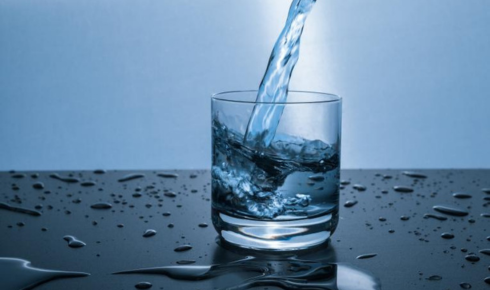
There’s something very ordinary, almost invisible, about turning on the tap. We do it half-awake in the morning, after a workout, while cooking rice, filling the kettle, washing fruit, or grabbing a quick glass before bed. Water sits at the centre of daily life, yet most of us barely think about it unless it smells odd, tastes metallic, or leaves a cloudy film behind.
And honestly, that’s understandable. Water is supposed to be simple. Clear means clean, right? Well, not always. What comes through a household tap can look perfectly fine and still carry things you may not want in your body, your cooking, or even your plumbing over the long run. That’s why more homeowners are taking a closer look at water filtration not as some fancy upgrade, but as a practical part of a healthier, more comfortable home.
Why Tap Water Can Be More Complicated Than It Looks
Most public water systems are treated to meet safety standards, and that’s a good thing. It means the water arriving at homes has usually gone through processes designed to reduce harmful bacteria and major health risks. But safe does not always mean ideal.
Water travels a long way before it reaches your glass. It may pass through old pipes, storage tanks, treatment plants, or local plumbing that affects its taste and quality. In some homes, water may carry chlorine taste, sediment, rust particles, hard minerals, or traces of substances picked up along the way.
This is where people sometimes get confused. They assume water problems must be dramatic to matter. Brown water, bad smells, obvious stains. But many water quality issues are quieter. A slight aftertaste. Ice cubes that look cloudy. Tea that tastes flat. Dry skin after showering. These little signs may not feel urgent, but they do tell a story.
The Real Value of Better Drinking Water
A lot of families first think about filtration because they want better drinking water. That makes sense. Taste is personal, and when water tastes clean and fresh, people naturally drink more of it. Kids are less likely to reach for sugary drinks. Adults stop buying so many plastic bottles. Even coffee and soup can taste better because the base ingredient is better.
There’s also a peace-of-mind factor that should not be dismissed. Knowing your home water has been filtered gives a certain quiet confidence. You are not guessing every time you fill a glass. You are not wondering whether that chlorine smell is normal or whether the old pipes in the neighbourhood are adding something extra.
Common Things Filtration Can Help Reduce
Different filters handle different problems, so it’s important not to treat every system as the same. Some are designed mainly for taste and odour. Others reduce sediment, chlorine, lead, volatile organic compounds, PFAS, pesticides, or microbial risks, depending on the technology used.
The word contaminants can sound scary, but it simply refers to unwanted substances that may be present in water. Some affect taste more than health. Others can be more serious, especially for children, older adults, or people with weaker immune systems. The key is knowing what your water actually contains before choosing a solution.
A basic carbon filter may improve taste and reduce chlorine. A reverse osmosis system can remove a broader range of dissolved substances. Whole-home filters can protect water used for bathing, washing, and appliances. UV systems are often used when bacteria is a concern, especially in homes using well water.
Whole-Home Filters vs Under-Sink Systems
Choosing between whole-home and point-of-use filtration depends on your goal. If the main concern is the water you drink and cook with, an under-sink filter or reverse osmosis unit may be enough. It targets the kitchen tap and gives you clean-tasting water right where you use it most.
Whole-home filtration is broader. It treats water as it enters the house, meaning showers, washing machines, bathrooms, and kitchen taps all benefit. This can be useful if your water has sediment, chlorine smell, staining, or quality issues affecting more than just drinking.
There is no one perfect system for every home. A small apartment, a family house, and a rural property using well water may all need different solutions. That’s why testing matters. Without testing, people often buy based on guesswork, and guesswork can become expensive.
Water Quality Affects More Than Taste
It’s easy to focus only on what water tastes like, but filtered water can improve everyday routines in other ways too. Cooking becomes cleaner and more consistent. Soups, pasta, tea, coffee, and baby formula all depend heavily on water quality.
Bathrooms can feel better as well, especially if chlorine or minerals are irritating the skin. While filtration is not the same as water softening, some combined systems can help with both taste and comfort. Appliances may also benefit when sediment and certain particles are reduced before they enter machines.
Even small improvements can add up. Fewer bottled water purchases. Less plastic waste. Better coffee in the morning. Clearer ice. A glass of water that actually tastes like nothing, which is exactly how many people prefer it.
Don’t Buy a Filter Just Because It Sounds Impressive
This is where homeowners should slow down a little. Marketing around water systems can be full of big promises, and some of it sounds almost too clean and perfect. The better approach is practical: test your water, understand the issue, then match the system to the problem.
Look for proper certifications where possible. Ask what the filter reduces, how often cartridges need replacing, and what maintenance costs look like over time. A cheap filter that is never replaced will not help much. A premium system that solves the wrong problem is not much better.
A trustworthy installer or water specialist should be willing to explain things in plain language. No pressure, no confusing jargon, no pretending every home needs the most expensive option.
A Simple Habit That Makes Home Life Better
Clean water is one of those things you appreciate most once you stop taking it for granted. It touches nearly everything — your morning coffee, your child’s lunchbox, the pot of rice on the stove, the glass beside your bed.
A good filtration setup does not need to feel dramatic. It should simply make daily life easier, safer, and a bit more pleasant. Clearer taste. Fewer doubts. Less reliance on bottled water. More confidence in the water your family uses every single day.
In the end, better water at home is not really about luxury. It is about care. Quiet, practical care that shows up in small moments, one glass at a time.