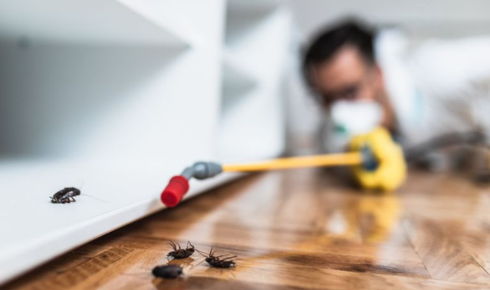
Most pest problems don’t announce themselves. By the time you see a rodent darting across the kitchen floor or notice a swarm of ants trailing your countertop, the infestation has likely been building for weeks — sometimes months. The earlier you catch the signs, the easier and less costly the solution.
Here’s what to look for, room by room and pest by pest, so you can act before a minor problem becomes a major one.
Why Early Detection Matters
Pests reproduce fast. A single female mouse can produce up to 10 litters per year. A small termite colony can quietly consume the structural wood of your home for years before visible damage appears. Bed bugs can spread from one room to an entire floor in a matter of weeks.
Early detection doesn’t just save money on treatment — it protects your home’s structure, your family’s health, and your peace of mind. Knowing what to look for is the first line of defense.
Common Signs of a Pest Infestation by Pest TypeRodents (Mice and Rats)
Rodents are among the most destructive household pests. They chew through wiring, contaminate food, and carry diseases. Watch for:
- Droppings — small, dark pellets near food sources, along walls, or inside cabinets
- Gnaw marks on food packaging, wooden furniture, baseboards, or electrical wires
- Nesting materials — shredded paper, fabric, or insulation in hidden corners, behind appliances, or inside walls
- Greasy rub marks along walls and baseboards where rodents travel repeatedly
- Scratching or scurrying sounds at night, particularly in walls or ceilings
- Unusual pet behavior — cats or dogs sniffing or pawing at walls and floors with unusual interest
Termites
Termites cause billions of dollars in structural damage every year, and most homeowners don’t notice them until serious damage has already occurred. Key warning signs include:
- Mud tubes — pencil-thin tunnels running along your foundation, walls, or crawlspace beams
- Hollow-sounding wood when tapped — termites eat from the inside out, leaving a thin shell
- Discarded wings near windows, doors, or light sources, left behind after a termite swarm
- Frass (termite droppings) — tiny, wood-colored pellets that resemble sawdust near wooden structures
- Blistering or bubbling paint on walls or ceilings, which can indicate termite activity beneath the surface
- Tight-fitting doors and windows caused by termite damage warping the wooden frames
Bed Bugs
Bed bugs are small, reddish-brown insects that feed on human blood at night. They’re notoriously difficult to eliminate without professional help. Signs include:
- Bite marks on your skin — typically in lines or clusters on exposed areas like arms, neck, and legs
- Small blood stains on your sheets or pillowcases from accidentally crushing a bug during sleep
- Dark or rusty spots on mattresses, bedding, or nearby walls — these are bed bug excrement
- Tiny pale yellow skins shed by nymphs as they grow
- A musty, sweet odor in the bedroom, particularly noticeable in severe infestations
- Live bugs in mattress seams, box spring folds, headboard crevices, or behind wall outlets
Cockroaches
Roaches are more than a nuisance — they trigger allergies, contaminate food, and spread bacteria. Signs of a roach infestation:
- Droppings resembling coffee grounds or black pepper near food, under sinks, or inside cabinets
- Egg casings (oothecae) — small, brown, oval-shaped capsules hidden in dark, tight spaces
- A strong, oily or musty smell that intensifies as the infestation grows
- Smear marks along walls and floors in areas with high moisture
- Live or dead roaches during the day — roaches are nocturnal, so daytime sightings often indicate a large population
Ants
While a few ants indoors may seem harmless, they signal a colony nearby and a food or moisture source they’ve found inside your home:
- Ant trails — consistent lines of ants moving between a food source and their entry point
- Frass or wood shavings near wooden structures, which may indicate carpenter ants hollowing out wood
- Small soil or dirt mounds near your foundation or in yard areas close to the home
- Rustling sounds inside walls, particularly with carpenter ant infestations
Wildlife and Other Pests
Beyond common insects and rodents, homes in urban and suburban areas are frequently targeted by wildlife looking for warmth and shelter:
- Animal droppings larger than rodent droppings near the attic, garage, or crawlspace
- Torn or displaced insulation in attics, often a sign of raccoons, squirrels, or birds nesting
- Entry holes or damage to soffits, roof edges, vents, or siding
- Thumping or scratching sounds in the attic, especially at dawn or dusk
What to Do If You Spot the Signs
Finding evidence of pests doesn’t mean you need to panic — but it does mean you need to act quickly. Here’s the right approach:
- Document what you find — take photos of droppings, damage, or live pests to help with identification
- Avoid disturbing the area — some pests, particularly bed bugs, can spread further if disrupted before treatment
- Do not attempt to seal entry points prematurely — trapping pests inside can worsen the problem
- Contact a professional for an inspection — many infestations require identification of the full scope before treatment begins
Professional pest control services have the tools, training, and products to not only eliminate the current infestation but also identify how pests are entering and put a prevention plan in place so the problem doesn’t return.