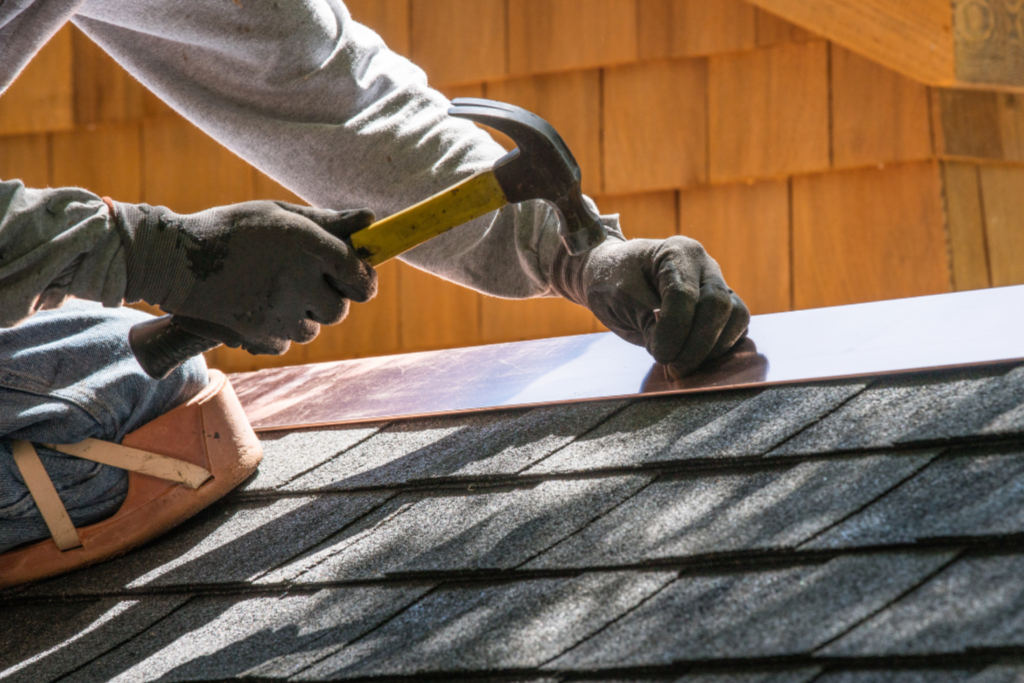
A small roof leak may not seem urgent at first. Maybe it only drips during heavy rain. Maybe it shows up as a faint ceiling stain. Maybe it disappears for weeks and then returns during the next storm. Because the damage seems minor, many homeowners delay repairs.
Unfortunately, roof leaks rarely stay small. Water can travel beneath shingles, through attic spaces, along framing, and into walls before it becomes visible inside the home. By the time a ceiling stain appears, moisture may already be affecting insulation, drywall, wood, and other materials.
For Pennsylvania homeowners, roof leaks can become especially costly because roofs face rain, snow, ice, wind, humidity, and freeze-thaw cycles throughout the year.
Why Small Roof Leaks Are Easy to Ignore
A small leak can feel manageable because it does not always happen every day. Some leaks appear only during wind-driven rain. Others show up after snow melts or when gutters overflow.
Homeowners may assume the leak is not serious if:
- It only happens during storms
- The stain is small
- Water is not dripping constantly
- The roof looks normal from the ground
- There is no visible missing shingle
But roof leaks can be hidden. Water may enter at one point and travel several feet before appearing indoors.
Common Causes of Roof Leaks
Roof leaks can happen for many reasons. Some are related to aging materials, while others result from storm damage or poor installation.
Common causes include:
- Missing or damaged shingles
- Cracked flashing
- Poorly sealed roof penetrations
- Damaged chimney flashing
- Worn pipe boots
- Clogged gutters
- Ice dam damage
- Roof valley leaks
- Storm damage
- Aging roofing materials
A professional inspection is often needed to locate the true source.
What Happens When a Roof Leak Is Ignored?
Even a small leak can cause widespread damage over time.
Attic Insulation Damage
Wet insulation loses effectiveness. This can increase heating and cooling costs and create damp conditions in the attic.
Ceiling and Drywall Damage
Water stains are often the first visible sign of a roof leak. Over time, drywall can soften, sag, crack, or collapse.
Wood Rot
Moisture can damage roof decking, rafters, framing, and other wood components. Rot weakens structural materials and increases repair costs.
Mold Growth
Moisture creates ideal conditions for mold and mildew. Mold can spread behind walls, above ceilings, and through attic spaces.
Electrical Risks
Water entering near wiring, outlets, fixtures, or electrical components can create safety concerns.
Interior Finish Damage
Paint, trim, flooring, and personal belongings may be damaged if the leak worsens.
Why Roof Leaks Can Be Hard to Find
Roof leaks are not always directly above the visible stain. Water can enter through a shingle, flashing gap, roof valley, vent, or chimney area, then travel along framing before dripping into the home.
This is why guessing at the leak source can lead to failed repairs. A contractor should inspect the roof surface, flashing, attic, ventilation areas, and interior signs of moisture.
Pennsylvania Weather Makes Leaks Worse
Pennsylvania weather can turn a small leak into a bigger problem quickly.
Rain can enter weak spots. Snow and ice can sit on the roof and melt slowly. Freeze-thaw cycles can expand small gaps. Wind can lift shingles. Humidity can worsen attic moisture.
A roof that leaks in one season may worsen dramatically by the next.
When Roof Repair May Be Enough
Not every leak requires a full roof replacement. Roof repair may be enough if:
- Damage is limited
- The roof is not very old
- Shingles are mostly in good condition
- Flashing can be repaired
- The leak is isolated
- Roof decking is still sound
A timely repair can extend the life of the roof and prevent interior damage.
When Replacement May Be Better
Roof replacement may be the smarter choice if:
- The roof is near the end of its lifespan
- Leaks are happening in multiple areas
- Shingles are curling or cracking throughout
- Granules are heavily worn
- Roof decking is damaged
- Repairs are becoming frequent
- Storm damage is widespread
A professional inspection can help determine which option makes sense.
Signs You Should Call a Roofer
Homeowners should schedule roof leak repair if they notice:
- Ceiling stains
- Water dripping during rain
- Damp attic insulation
- Missing shingles
- Damaged flashing
- Musty attic odors
- Peeling paint near ceilings
- Granules in gutters
- Sagging ceiling areas
Waiting can turn a small repair into a major restoration project.
Why DIY Leak Repairs Often Fail
Some homeowners try to seal leaks with caulk, roofing cement, or temporary patches. While these may slow water briefly, they often fail if the source is not properly identified.
Roof systems include shingles, underlayment, flashing, ventilation, valleys, and drainage. A leak may involve more than one component.
Professional roof repair focuses on fixing the source, not just covering the symptom.
How to Reduce Future Roof Leak Risk
Homeowners can reduce leak risk by:
- Keeping gutters clean
- Trimming branches away from the roof
- Inspecting after storms
- Replacing damaged shingles quickly
- Checking attic ventilation
- Repairing flashing issues early
- Scheduling roof inspections when warning signs appear
Preventive maintenance is usually less expensive than major leak repairs.
Final Thoughts
A small roof leak should never be ignored. Even if the leak seems minor, water can travel silently and damage insulation, drywall, framing, and interior finishes.
Early roof leak repair protects your home, saves money, and prevents unnecessary stress. If you notice stains, dripping, missing shingles, or storm damage, schedule a professional inspection before the problem grows.