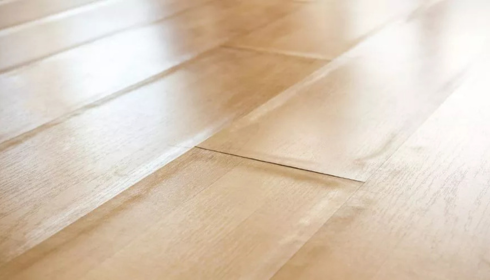
When you notice cracks, warping, or soft spots on your floor, it can be both an eyesore and a cause for concern. These issues can affect the aesthetics and functionality of your space, often leading homeowners to wonder what caused them in the first place. Understanding the root causes of these flooring problems is essential for preventing further damage and determining whether you need professional help. If you’re dealing with flooring issues, the first step is to understand what might be causing them, and then consider reliable solutions, like floor repair services near me, to get things fixed.
Changes in Humidity and Moisture: The Silent Culprits
One of the primary reasons for cracks and warping in flooring is the fluctuating humidity and moisture levels in your home. Whether it’s hardwood, laminate, or engineered flooring, changes in humidity can cause the materials to expand or contract, leading to visible damage. Wood, in particular, is very sensitive to moisture. In areas with high humidity, like bathrooms or basements, wood floors tend to absorb moisture and swell. In dry conditions, the wood can dry out, crack, or warp.
Humidity-related damage often results in gaps between floorboards, cupping (where the edges of the boards rise), or even soft spots. This damage is not only unsightly but can also lead to further issues if left untreated. Similarly, water spills, leaks, or flooding can cause immediate and severe damage. If moisture is the issue in your home, consider using dehumidifiers or installing moisture barriers to protect your floors.
Subfloor Issues: The Hidden Problem
When cracks and soft spots appear, the subfloor could be the hidden culprit. The subfloor provides the foundation for your flooring, so if it’s compromised, your floor’s integrity is at risk. Issues like sagging, uneven subfloors, or weak spots can manifest in the form of soft areas or cracking floors. Subfloor problems are typically caused by water damage, poor installation, or settling of the home over time.
If you notice a soft spot or if your floor feels uneven when walking across it, this could be a sign of subfloor damage. Over time, if the issue isn’t addressed, the flooring on top can become more damaged, and in some cases, it can even buckle. It’s essential to inspect your subfloor regularly, especially in areas prone to moisture, and to seek out professional repair services if you suspect underlying damage.
Poor Installation Practices: When Professionals Matter
While DIY flooring installation has become more popular, improper installation is often a leading cause of cracks, warping, and soft spots. Flooring that is installed without the necessary preparation or without following manufacturer’s instructions can lead to problems down the line. For instance, if the flooring material isn’t acclimated to the home’s temperature and humidity before installation, it may not expand or contract as needed, leading to warping or cracking.
Another common mistake is inadequate preparation of the subfloor. If the subfloor is not properly cleaned, leveled, or repaired before the flooring is laid, it can create uneven surfaces that lead to cracks or soft spots in the future. Additionally, nails, staples, or adhesive that are applied improperly can result in uneven pressure on the floorboards, causing them to buckle or develop cracks. If you notice problems shortly after a flooring installation, it’s worth consulting a professional to assess whether improper installation might be the cause.
Excessive Weight or Impact: Don’t Overload Your Floors
Heavy furniture, appliances, or constant foot traffic can cause floor damage, particularly on softer flooring types. Floors like vinyl, laminate, and even hardwood can start to crack or develop soft spots if subjected to excessive weight or pressure over time. This is especially true if the load is placed in one concentrated area for an extended period.
If you move heavy furniture around frequently or place large items on your floors, be sure to use protective pads or mats underneath them to distribute the weight more evenly. For softer floors like carpet, the constant movement of furniture can cause indentation or stretch the fibers, creating the appearance of worn-out areas. In the case of hardwood floors, heavy furniture may lead to permanent dents, and in extreme cases, breakage or warping of the floorboards.
Settling or Shifting Foundation: The Structural Concern
Another factor that could be contributing to cracks and warping in your floor is the shifting or settling of your home’s foundation. Over time, homes naturally settle as the foundation adjusts to the soil beneath it. This process can cause uneven floors, particularly if the settlement is significant or occurs unevenly. This issue is often most noticeable in older homes or homes that have experienced significant weather changes.
Foundation shifts can cause warping or gaps in hardwood floors, as well as visible cracks in laminate and tile flooring. In some cases, the floor may appear to slope or feel uneven, indicating a larger structural issue that may need to be addressed by a foundation expert. If you notice significant changes in your floor level or see cracks running through several floorboards, it’s essential to consult both a flooring professional and a foundation expert to evaluate the situation.
Addressing the Issue and Finding Solutions
Floor cracks, warping, and soft spots can be frustrating, but understanding their causes is the first step in determining the right solution. Whether it’s changes in humidity, subfloor damage, poor installation, or excessive weight, these problems can often be corrected with timely repair. If you notice any signs of floor damage, it’s important to act quickly to prevent further deterioration. Consulting a flooring professional can help you identify the exact cause and recommend the most effective solution.
If you’re dealing with flooring issues and looking for expert help, be sure to search for “floor repair services near me” to find reliable professionals who can assess and repair your floors. Don’t let small problems turn into big headaches—get in touch with a local flooring expert to restore your floors to their original condition. For more information and assistance, check outFloor repair services near me.