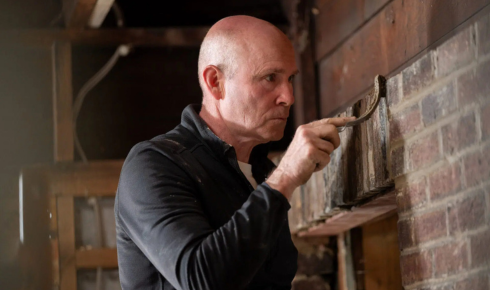
Older homes have a charm and character that newer properties often cannot match. Brick walls, stone foundations, chimneys, steps, porches, and exterior masonry details all add warmth, strength, and historic appeal. However, as beautiful and durable as old brickwork can be, it still needs the right maintenance to stay strong.
One of the most important masonry repairs for older homes is repointing. Repointing is the process of removing damaged, loose, or deteriorated mortar from between bricks and replacing it with fresh mortar. While bricks may last for many decades, the mortar joints between them often wear down sooner. Once mortar begins to crack, crumble, or fall out, the wall becomes vulnerable to water intrusion, structural weakness, and further deterioration.
Many homeowners do not notice mortar damage until it becomes obvious. By that point, the brickwork may already be absorbing moisture or losing stability. Repointing helps protect older homes by restoring the joints that hold the masonry together and keep water out.
What Is Brick Repointing?
Brick repointing is a masonry repair process that restores the mortar joints between bricks. Over time, mortar can become weak because of weather, moisture, age, freeze-and-thaw cycles, poor previous repairs, or natural wear. When this happens, the damaged mortar is carefully removed and replaced with new mortar.
The goal is not only to improve appearance. Repointing protects the structure of the wall by strengthening the joints and helping prevent water from entering the masonry.
A proper repointing job includes:
- Inspecting the brickwork
- Identifying damaged mortar joints
- Carefully removing loose or deteriorated mortar
- Cleaning the joints
- Matching the new mortar to the existing masonry
- Applying new mortar
- Shaping the joints for the right finish
- Allowing the mortar to cure properly
Professional brick repointing services are especially important for older homes because the wrong mortar mix or careless removal can damage the original bricks. Older bricks are often softer than modern bricks, so the repair must be handled with skill.
Why Mortar Joints Matter
Mortar joints do more than fill the spaces between bricks. They help hold the wall together, absorb movement, protect against water, and support the overall masonry system. When mortar is healthy, it helps keep brickwork stable and weather-resistant.
When mortar fails, several problems can begin:
- Water enters the wall
- Bricks loosen
- Cracks spread
- Interior dampness develops
- Freeze-thaw damage worsens
- The wall loses strength
- Brick faces begin to break apart
- Chimneys and exterior walls become unstable
Mortar is often considered the sacrificial part of masonry. That means it is designed to wear down before the brick does. This is actually helpful because mortar can be replaced through repointing, allowing the original bricks to remain in place.
Ignoring damaged mortar can lead to much more expensive repairs later, including brick replacement, wall rebuilding, chimney rebuilding, or structural masonry repair.
Signs Your Older Home Needs Repointing
Homeowners should regularly inspect brickwork, especially on older properties. Mortar damage often begins slowly, but early signs are usually visible if you know what to look for.
Common signs that brickwork needs repointing include:
- Cracked mortar joints
- Missing mortar between bricks
- Loose or sandy mortar
- Gaps in the brickwork
- Mortar falling out when touched
- Damp patches on interior walls
- White staining on brickwork
- Loose bricks
- Stair-step cracks
- Water entering near masonry walls
- Chimney mortar deterioration
If you can scrape mortar out easily with a key or screwdriver, the joint may be too weak. If gaps are visible between bricks, water can already be entering the wall.
Older homes should be inspected more carefully around chimneys, parapet walls, steps, foundations, and areas exposed to heavy rain or poor drainage.
How Damaged Mortar Allows Water Into the Wall
Water is one of the biggest threats to older brick homes. When mortar joints crack or crumble, rainwater can enter the wall instead of running off the surface. Once moisture gets inside, it can cause damage that spreads beyond the visible brickwork.
Water inside masonry can lead to:
- Interior dampness
- Mold and mildew
- Peeling paint or plaster
- Efflorescence
- Brick spalling
- Rot near wood framing
- Freeze-thaw cracking
- Rusting metal supports
- Foundation or basement moisture
In cold weather, trapped water can freeze and expand. This expansion puts pressure on the brick and mortar, making cracks wider and causing brick faces to flake or break. This is one reason damaged mortar should be repaired before winter weather makes the issue worse.
Mortar joint repair helps seal the gaps and restore the wall’s ability to shed water properly.
Repointing vs Tuckpointing: What Is the Difference?
Many homeowners use the terms repointing and tuckpointing interchangeably, but they are not exactly the same.
Repointing means removing damaged mortar and replacing it with new mortar. The goal is to restore strength, weather protection, and durability.
Tuckpointing is a more decorative technique. It often involves using mortar that matches the brick color, then adding a thin contrasting line to create the appearance of very fine joints. Tuckpointing can improve the look of brickwork while also helping restore the joints.
In simple terms:
Repointing focuses mainly on repairing damaged mortar.
Tuckpointing focuses on both repair and decorative appearance.
Both methods require skill, especially on older homes. The correct approach depends on the condition of the brickwork, the age of the property, and the desired finish.
Why Older Homes Need Special Care
Older homes often require a different approach than newer buildings. Many older bricks are softer, more porous, and more sensitive to hard modern mortar. If the wrong mortar is used, it can cause damage instead of protection.
A common mistake is using mortar that is too strong or too hard for old brick. When mortar is harder than the brick, the brick may absorb stress and moisture instead of the joint. Over time, this can cause cracking, spalling, and deterioration of the brick faces.
Older homes may also have:
- Lime-based mortar
- Handmade or softer bricks
- Historic masonry details
- Uneven wall movement
- Previous patch repairs
- Moisture trapped from old coatings
- Different construction methods
This is why masonry restoration contractors must choose the right mortar mix and repair method. Repointing older homes is not just about filling gaps. It is about preserving the original masonry while improving strength and weather resistance.
Repointing Helps Prevent Structural Problems
Mortar joints help distribute weight and keep brickwork stable. When mortar deteriorates, the wall can begin to lose strength. Over time, bricks may loosen, shift, crack, or separate.
In severe cases, failing mortar can contribute to:
- Bulging walls
- Leaning chimneys
- Loose parapets
- Unstable steps
- Cracked exterior walls
- Water-damaged masonry
- Wall separation
- Partial collapse risks
Repointing helps restore the integrity of the masonry before these problems become serious. It strengthens the joints, improves bonding between bricks, and helps the wall remain stable.
For homeowners, early repointing is usually much less expensive than waiting until bricks need to be replaced or walls need rebuilding.
Repointing Improves Curb Appeal
While repointing is mainly a protective repair, it also improves appearance. Damaged mortar can make an older home look neglected, stained, or aged in the wrong way. Fresh, properly matched mortar can make brickwork look cleaner, sharper, and better maintained.
Repointing can improve the look of:
- Exterior brick walls
- Chimneys
- Front steps
- Porches
- Garden walls
- Retaining walls
- Brick foundations
- Walkways
- Masonry details
The best repointing work blends with the existing brickwork rather than standing out. Matching the color, texture, and joint profile is important, especially on older homes where character and original appearance matter.
Repointing Chimneys on Older Homes
Chimneys often need repointing sooner than other masonry areas because they are highly exposed to weather. Rain, wind, snow, sun, and temperature changes affect chimney mortar from every direction.
Signs a chimney may need repointing include:
- Crumbling mortar joints
- Loose chimney bricks
- White staining
- Leaking around the fireplace
- Cracks in the chimney stack
- Damaged chimney crown
- Leaning or unstable sections
- Water stains near the chimney
If chimney mortar is ignored, water can enter the home, damage the fireplace, weaken the chimney structure, and create safety concerns. Repointing can help extend the life of the chimney and prevent larger repairs.
Why Painting Over Bad Mortar Is a Mistake
Some homeowners try to improve old brickwork by painting over it. While paint may cover visible mortar damage temporarily, it does not repair the underlying issue. In fact, painting over damaged masonry can sometimes make moisture problems worse.
Paint can trap water inside the brickwork. If moisture cannot escape, it may cause spalling, peeling, bubbling, and deeper masonry deterioration.
Painting over bad mortar can hide:
- Cracks
- Missing joints
- Water damage
- Soft mortar
- Loose bricks
- Structural movement
Instead of covering the problem, homeowners should repair the mortar first. Once the brickwork is sound, a professional can advise whether coating, sealing, or leaving the masonry breathable is the best option.
How Often Should Older Brickwork Be Repointed?
There is no single timeline for repointing because every home is different. Mortar lifespan depends on age, weather exposure, original materials, drainage, maintenance, and previous repairs.
Some mortar may last several decades, while exposed areas may need attention sooner. Chimneys, parapet walls, steps, and walls facing harsh weather often deteriorate faster.
Homeowners should inspect brickwork at least once a year and after severe weather. Repointing may be needed when mortar becomes cracked, loose, recessed, or visibly deteriorated.
The best rule is simple: repoint when mortar begins failing, not after the brickwork is already damaged.
What Happens If You Delay Repointing?
Delaying repointing can turn a manageable repair into a larger restoration project. Once water enters through damaged joints, it can damage bricks, interior walls, wood framing, and nearby structural materials.
Delaying repairs can lead to:
- More expensive masonry work
- Brick replacement
- Chimney rebuilding
- Interior water damage
- Mold problems
- Structural cracking
- Reduced property value
- Safety hazards
- Damage spreading to nearby sections
A small area of damaged mortar may only require localized repointing. But if ignored, the damage can spread across the wall or chimney. Early repair helps preserve more of the original masonry.
Why Professional Repointing Is Better Than DIY
Repointing may look simple, but it requires the right tools, mortar mix, depth, technique, and finish. DIY repointing can cause problems if the joints are not cleaned properly, the wrong mortar is used, or the new mortar is applied incorrectly.
Common DIY mistakes include:
- Using mortar that is too hard
- Not removing enough damaged mortar
- Smearing mortar over brick faces
- Leaving weak mortar behind
- Poor joint shaping
- Ignoring water problems
- Failing to match the existing mortar
- Damaging old bricks during removal
Professional masonry contractors understand how to repoint brickwork without damaging the wall. They can match the mortar, protect the original bricks, and make sure the repair supports long-term performance.
Repointing and Historic Home Preservation
For historic or older character homes, repointing plays an important role in preservation. Original brickwork is often one of the most valuable features of the property. Repointing allows homeowners to keep the original masonry instead of replacing it.
Historic-style repointing may involve:
- Matching old mortar color
- Using appropriate lime mortar
- Preserving original brick faces
- Matching joint profiles
- Avoiding harsh cleaning methods
- Maintaining the home’s character
- Repairing only what is necessary
Good restoration respects the age and style of the home. The goal is to make the masonry strong again while keeping its original appearance.
How Repointing Supports Energy Efficiency
Damaged mortar can allow drafts, moisture, and cold air to enter the building envelope. While repointing is not usually thought of as an energy upgrade, it can help improve comfort by sealing gaps in exterior masonry.
Weak mortar joints may contribute to:
- Cold drafts
- Damp interior walls
- Heat loss
- Moisture-related insulation problems
- Poor indoor comfort
- Air leakage around masonry
By closing gaps and strengthening exterior walls, repointing can support a drier, more stable indoor environment.
When Should Homeowners Call a Masonry Contractor?
Homeowners should call a masonry contractor when mortar joints are visibly cracked, missing, loose, or allowing water into the wall. It is especially important to get an inspection if the home is older, the brickwork is historic, or there are signs of structural movement.
Call a professional if you notice:
- Crumbling mortar
- Loose bricks
- Chimney cracks
- Damp interior walls
- White staining
- Stair-step cracks
- Gaps between bricks
- Spalling brick faces
- Leaning masonry
- Previous patch repairs failing
A professional can determine whether the home needs spot repointing, full repointing, brick replacement, chimney repair, or broader masonry restoration.
Final Thoughts
Repointing is one of the most important maintenance steps for older brick homes. Mortar joints protect the wall from water, support the structure, and preserve the beauty of the masonry. When mortar begins to crack, crumble, or fall out, the brickwork becomes vulnerable to moisture damage, structural weakness, and costly repairs.
For homeowners, early repointing can help protect the original brickwork, prevent water intrusion, improve curb appeal, and extend the life of the home. It is especially important on older properties where the wrong materials or poor repairs can cause long-term damage.
If your home has cracked, missing, or deteriorated mortar, professional brick repointing services can restore the strength and appearance of the masonry. Whether the issue involves exterior walls, chimneys, steps, porches, or historic brickwork, proper mortar joint repair by experienced masonry restoration contractors can help protect your home for years to come.