It doesn’t start with panic. No alarms, no dramatic change. Just a slow awareness that something feels… off. Maybe your tea tastes flatter than usual, or your kettle gathers that stubborn white layer faster than it should. You notice, you ignore it, then you notice again.
And somewhere in between, a simple thought shows up: maybe your water isn’t as good as it could be.
Water Isn’t Just Background Noise
For most of us, water fades into the background of daily life. It’s there when we need it—cooking, cleaning, showering—so we don’t question it much. But water isn’t a blank slate. It carries minerals, chemicals, sometimes even traces of things we’d rather not think about.
That doesn’t automatically mean it’s unsafe. But it does mean there’s room for improvement.
People often begin exploring water quality solutions not because something has gone terribly wrong, but because they want things to feel… right. Cleaner taste. Better consistency. Less guessing.
It’s a small shift in thinking, but it opens the door to smarter choices.
The Taste Test We Don’t Talk About
Here’s something simple: if your water doesn’t taste good, you probably aren’t drinking enough of it. It sounds obvious, but it’s easy to overlook.
Tap water can carry a slight chlorine taste or an odd aftertaste depending on where you live. It’s safe by regulation, sure, but not always enjoyable.
That’s where drinking water systems come into the picture. These systems focus specifically on what you consume—filtering out impurities that affect taste, odor, and overall quality.
And the difference? It’s noticeable, often immediately. Water starts to feel lighter, fresher. You might even find yourself reaching for it more often without thinking twice.
It’s Not Just About What You Drink
Water touches more than your glass. It runs through your entire home—through pipes, appliances, and every tap you use throughout the day.
Hard water, for instance, doesn’t just leave marks on your fixtures. It slowly affects your washing machine, your geyser, even your plumbing over time. You don’t always see the damage right away, but it’s there, building quietly.
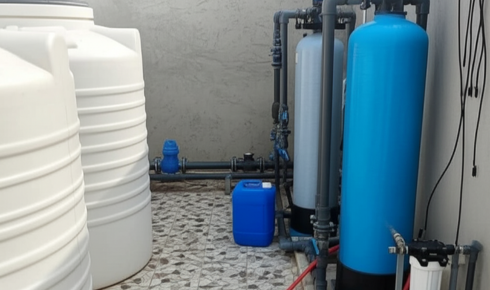
That’s why many households are turning toward home water systems that treat water at a broader level. Instead of fixing one issue at a time, these systems aim to improve water quality across the board.
It’s a more holistic approach. Not always necessary for everyone, but incredibly useful in the right situations.
Choosing What Actually Works for You
One of the trickiest parts? There’s no single “best” solution.
Some homes need basic filtration. Others benefit from softening systems. A few might require more advanced setups depending on their water source. It’s not about buying the most expensive option—it’s about understanding your needs.
And yes, that can feel overwhelming at first. So many choices, so many technical terms. But once you break it down—taste, hardness, contaminants—it becomes easier to see what matters most for your home.
You don’t have to get it perfect. You just have to get it right enough.
The Little Changes That Add Up
What’s interesting is how quickly small improvements become part of your normal routine.
Your dishes come out cleaner. Your skin feels less dry after a shower. Your appliances seem to run a bit more smoothly. None of these changes scream for attention, but together, they create a noticeable difference.
And maybe that’s the beauty of it. Better water doesn’t demand recognition—it just quietly improves things in the background.
Maintenance Isn’t Glamorous, But It Matters
Let’s be honest—no one gets excited about changing filters or checking system performance. It’s the least interesting part of the whole process.
But it’s also the part that keeps everything working.
Skipping maintenance is like buying a good phone and never updating it. It’ll still function, but not the way it’s meant to. A little consistency goes a long way here, even if it’s just setting a reminder every few months.
Once it becomes routine, it doesn’t feel like effort anymore. Just something you do.
A More Thoughtful Way to Look at Water
At some point, the focus shifts. It’s no longer about fixing a problem—it’s about creating a better everyday experience.
Water is something you interact with constantly, even if you don’t think about it. So improving it, even slightly, has a ripple effect across your day.
And maybe that’s the takeaway. You don’t need a perfect system or a complicated setup. Just a bit of awareness, a few thoughtful decisions, and the willingness to make small upgrades where they matter.
Because when your water feels right, everything else tends to fall into place a little more easily.