There’s a certain comfort in routine—turn the tap, fill a glass, carry on. Most days, we don’t question it. Water just exists in the background, quietly doing its job. But every now and then, something shifts. Maybe it’s a slightly bitter taste, or the way your skin feels tighter after a shower. Not dramatic, just… noticeable.
That’s usually where the curiosity begins.
The Little Signs That Add Up
It’s funny how long we ignore small changes. A bit of scale on the kettle. Soap that doesn’t quite foam the way it used to. Clothes that feel a touch rougher after washing. None of it screams “problem,” so it gets brushed aside.
But water has a way of leaving clues. Hard water, for instance, is one of the most common culprits behind those everyday annoyances. It’s rich in minerals like calcium and magnesium—harmless in small amounts, sure—but over time, they start to make their presence known.
And once you connect the dots, it’s hard to go back to not noticing.
When Comfort Starts to Matter More
At some point, the idea of improving your water stops feeling like an extra and starts feeling like common sense. Not because something’s broken, but because you realize how much better things could be.
This is where a water softener often enters the conversation. It’s not a flashy solution, but it’s incredibly effective at tackling the mineral buildup that causes hardness. The difference? Softer skin, smoother laundry, and appliances that don’t struggle as much under the weight of constant scaling.
It’s one of those upgrades that quietly improves your day-to-day life without demanding attention.
Understanding What’s Really in Your Water
Of course, hardness is just one piece of the puzzle. Water can carry a variety of things—sediments, chlorine, even trace contaminants—that don’t always show up in obvious ways.
That’s why many homeowners start looking into a filtration system. Not as a one-size-fits-all fix, but as a way to address specific concerns. These systems are designed to target unwanted particles and improve overall clarity and taste.
And here’s the thing—once you start using filtered water, you notice it. Your morning coffee tastes cleaner. Cooking feels a bit more precise. Even something as simple as a glass of water feels… fresher.
It’s subtle, but it sticks with you.
The Deep Clean Approach
Then there are situations where people want to go a step further. Maybe they’ve had their water tested and found certain impurities. Or maybe they just want that extra layer of assurance.
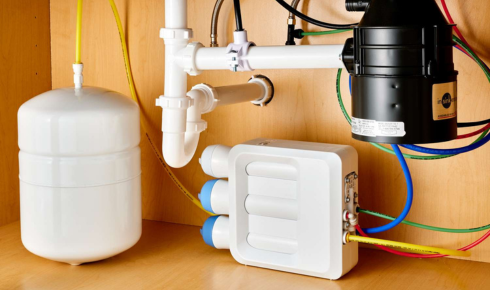
That’s where a reverse osmosis unit comes into play. It’s a more advanced solution, designed to remove a wide range of contaminants at a microscopic level. The process is thorough, almost meticulous, resulting in water that’s incredibly pure.
For some, it’s about health. For others, it’s about peace of mind. Either way, it represents a deeper level of control over what you’re consuming every day.
More Than Just Taste
What often surprises people is how much water quality affects things beyond drinking. It’s in your showers, your laundry, your cleaning routines. It touches almost every part of your home life.
Better water can mean fewer streaks on dishes, less buildup on fixtures, and even lower maintenance costs over time. It’s not just about comfort—it’s about efficiency, too.
And while these changes might seem small on their own, they add up in ways that are hard to ignore once you experience them.
Taking the First Step Without Overthinking It
If all of this feels a bit overwhelming, that’s normal. There’s a lot of information out there, and not all of it is helpful. The key is to start simple.
Pay attention to your water. Notice how it tastes, how it feels, how it behaves. If something seems off, it probably is. From there, consider getting it tested or speaking with someone who understands the specifics.
You don’t have to fix everything at once. In fact, you probably shouldn’t. Small, informed steps tend to lead to better outcomes than rushed decisions.
A Quiet Kind of Upgrade
Improving your water isn’t the kind of change that announces itself. There’s no dramatic reveal, no instant transformation. Instead, it’s a gradual shift—a series of small improvements that make everyday life a bit more comfortable.
You stop thinking about the odd taste because it’s gone. Your skin feels better, your appliances last longer, and your routines feel just a little smoother.
And maybe that’s the best part. Good water doesn’t demand attention. It just works, quietly supporting your life in ways you might not fully notice until they’re missing.
Final Thoughts
Water is easy to overlook, but it’s too important to ignore. It’s woven into your daily habits, your health, and your home. Taking the time to understand it—and improve it where needed—isn’t just practical, it’s personal.
So if your water has been trying to tell you something, even in the smallest ways, it might be worth listening. Because once you do, you’ll likely find that better water leads to a better everyday experience—one glass, one shower, one moment at a time.