It wasn’t some big, dramatic moment. No pipes burst. No strange color coming out of the tap. Honestly, everything looked normal.
But I remember standing in the kitchen one morning, filling a glass of water, and thinking—I have no idea what’s actually happening behind this wall. Where the water comes from, how clean it really is, whether something could go wrong without me even noticing.
That thought stuck longer than I expected.
We tend to trust our homes blindly. Flip a switch, and the light comes on. Turn a tap, and water flows. It’s all seamless. But the truth is, there’s a lot going on behind the scenes—and sometimes, it’s worth paying attention.
When “Out of Sight” Isn’t Really Out of Mind
Water systems are easy to ignore because they don’t demand attention… until they do. A small leak, a pressure drop, maybe an unexpected spike in your bill—those are usually the first signs something’s off.
The tricky part is that by the time you notice, the issue may have already been there for a while.
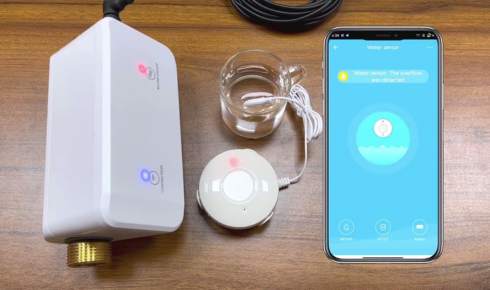
That’s where smart home water monitoring starts to make sense. It’s not about turning your house into some futuristic gadget hub. It’s more about having a quiet layer of awareness. Sensors that keep track of flow, usage, and potential leaks—without you needing to check constantly.
I’ve heard people describe it as “peace of mind you didn’t know you needed.” And that feels about right. You’re not staring at an app all day. But it’s there, keeping an eye on things.
The Comfort of Knowing What’s Going On
There’s something oddly reassuring about understanding your home a little better. Not in a technical, overwhelming way—but just enough to feel informed.
Modern systems now come with built-in system diagnostics, which sounds complicated at first, but really isn’t. Think of it like a health check for your water setup. It can alert you if something isn’t working as it should—maybe a filter needs replacing, or there’s a pressure imbalance somewhere.
Instead of guessing, you know.
And that changes how you respond. You’re not reacting to problems anymore—you’re preventing them, or at least catching them early. It’s a small shift, but it makes a difference.
Technology That Doesn’t Get in the Way
One thing I was worried about, initially, was complexity. I didn’t want another system that required constant attention or technical know-how. Life’s already busy enough.
But what surprised me is how these solutions are designed to stay out of your way. Once installed, they just… work. Quietly. Efficiently.
You go about your day, and the system does its job in the background. No constant tweaking, no unnecessary noise. Just a subtle layer of support.
And honestly, that’s how good home technology should feel. Helpful, but not intrusive.
Why Getting It Right the First Time Matters
Of course, none of this works well if the setup isn’t done properly. It’s tempting to think of installation as just another step—something quick and forgettable.
But it’s more important than that.
Choosing professional installation ensures that everything is set up correctly from the start. The placement of sensors, the calibration of the system, the integration with your home’s plumbing—it all matters.
A poorly installed system can lead to false alerts, missed issues, or just general frustration. But when it’s done right, you don’t even think about it. And that’s kind of the goal.
It’s Not About Control, It’s About Awareness
There’s a fine line between wanting control and simply wanting awareness. Most people aren’t trying to micromanage their homes. They just want to know that things are working as they should.
That’s what these systems offer.
You don’t need to check your water usage every hour. You don’t need to analyze every data point. But if something unusual happens, you’ll know. And that knowledge—simple as it sounds—can prevent bigger problems down the line.
The Little Things Add Up
It’s funny how something as ordinary as water can become meaningful when you start paying attention. You notice patterns. You become aware of how often you use it, where it goes, how it affects your daily life.
And with that awareness comes a sense of responsibility, maybe even appreciation.
Your home isn’t just a place you live in—it’s a system, a collection of moving parts that work together to support you. And the more you understand it, the better you can take care of it.
A Quiet Shift in Perspective
I wouldn’t say this changed my life. That would be an exaggeration. But it did shift something in how I see my space.
There’s a kind of comfort in knowing that your home is working with you, not just around you. That potential problems aren’t lurking unnoticed. That there’s a system in place, quietly doing its job.
And maybe that’s what it comes down to—not control, not perfection, just a little more clarity.
Because sometimes, the biggest improvements aren’t the ones you see. They’re the ones you feel, in the background, making everything run just a bit smoother.