There’s a quiet moment many of us experience without really noticing it. You turn on the tap early in the morning, fill a glass, and take that first sip of water. It’s simple, routine — almost invisible in daily life. Yet the quality of that water plays a surprisingly large role in our homes, our health, and even the lifespan of the systems that keep our households running.
Water might look clear, but that doesn’t always mean it’s ideal. Minerals, sediment, and chemical residues can travel through plumbing lines, settle inside appliances, and slowly change the way water tastes, smells, and behaves. Over time, those small changes can make a noticeable difference. And once you begin paying attention, you start to realize that improving water quality is less about luxury and more about everyday practicality.
The Everyday Importance of water quality improvement
Most people think about drinking water when they hear the phrase water quality improvement, but the reality is much broader than that. Water flows through nearly every system in your home — showers, washing machines, dishwashers, coffee makers, and even heating units.
When water carries excess minerals or sediment, those particles don’t just disappear. They build up gradually, leaving scale deposits in pipes, dull residue on glassware, and sometimes that faint metallic taste in a glass of water. It’s not always harmful, but it can definitely affect comfort and efficiency.
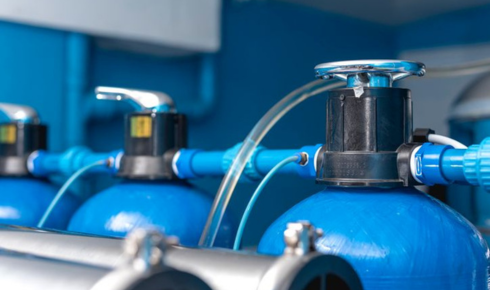
Improving water quality often means filtering out impurities, balancing mineral levels, or softening the water before it circulates through your home. Many homeowners who install filtration or treatment systems report something interesting: they didn’t realize how much their water could improve until it actually did.
The coffee tastes cleaner. Soap rinses more easily. Even skin and hair can feel a little softer after a shower. Small changes, yes — but they add up quickly.
Hard Water and the Hidden Cost to Your Home
If you live in an area with hard water, you might already recognize the signs. White spots on dishes. Chalky residue around faucets. Soap that refuses to lather properly.
Hard water contains higher concentrations of minerals like calcium and magnesium. While these minerals aren’t dangerous to drink, they can create persistent buildup inside plumbing systems. That buildup slowly narrows pipe interiors, reduces water flow, and forces appliances to work harder than they should.
Think about a water heater, for instance. Mineral scale can accumulate along heating elements or tank surfaces. As the layer thickens, the heater needs more energy to warm the same amount of water. That means higher energy bills and a shorter appliance lifespan.
Over the years, many homeowners discover that untreated water quietly chips away at the efficiency of their homes.
Protecting Your Pipes Before Problems Begin
One of the less talked-about advantages of water treatment is plumbing protection. Pipes are meant to last decades, but mineral buildup, corrosion, and sediment can gradually weaken them.
Inside a pipe, the process happens slowly. A thin layer of scale forms first. Then another. Eventually the interior diameter of the pipe shrinks, restricting flow and increasing pressure in certain areas.
The result? Leaks, bursts, or unexpected plumbing repairs that often arrive at the worst possible moment.
Filtration and softening systems help reduce those deposits before they ever reach your plumbing lines. It’s a preventative approach — one that saves homeowners both frustration and repair costs down the road.
And if you’ve ever had to deal with emergency plumbing repairs, you know just how valuable prevention can be.
Appliances Work Harder Than We Realize
Our homes rely heavily on appliances that interact with water daily. Dishwashers, washing machines, water heaters, ice makers — they’re part of the background rhythm of everyday life.
But hard or contaminated water can significantly reduce their efficiency. Mineral buildup on internal components acts like insulation, forcing machines to use more energy to achieve the same results.
That’s where appliance protection becomes an important consideration. When water quality improves, appliances often run more efficiently and last longer. Heating elements remain cleaner, detergent dissolves more effectively, and internal components avoid the kind of scaling that leads to early breakdown.
Many appliance manufacturers even note that mineral buildup is one of the most common reasons machines fail earlier than expected.
In other words, the water entering your appliances matters more than most people realize.
The Comfort Factor You Don’t Expect
Water quality isn’t only about infrastructure or mechanical efficiency. It also affects everyday comfort in subtle ways.
If you’ve ever washed your hands and felt a slippery film that refuses to rinse away, that’s often hard water interacting with soap. The minerals prevent soap from dissolving properly, leaving residue behind.
With improved water conditions, soap lathers more naturally, shampoos rinse cleaner, and laundry can feel softer without extra detergents. Even the look of dishes and glassware changes — fewer spots, less haze, and a brighter finish.
These aren’t dramatic life-changing moments. But they do make daily routines feel just a little smoother.
A Long-Term Investment in the Home
Many homeowners initially explore water filtration or softening systems because of taste or minor inconvenience. What they often discover is that improved water quality supports the entire home.
Better-tasting water encourages healthier hydration habits. Cleaner plumbing systems reduce long-term maintenance issues. Appliances operate more efficiently, potentially saving money on energy and replacements.
It’s one of those rare home improvements that touches nearly every room — the kitchen, bathroom, laundry room, and even outdoor irrigation systems.
The Quiet Value of Better Water
Water is easy to overlook precisely because it’s always there. It flows from the tap without much thought, doing its job quietly in the background of everyday life.
But when water quality improves, the difference becomes surprisingly noticeable. Appliances run smoother. Pipes last longer. Showers feel better. Coffee tastes brighter.
And perhaps most importantly, homeowners gain peace of mind knowing the water moving through their homes is working with their systems, not against them.