There’s something deeply personal about water. You don’t really think about it much — until it tastes odd, smells off, or leaves chalky residue on your sink. And then suddenly, it becomes impossible to ignore. It’s funny how something so essential to daily life can remain invisible right up until the moment it doesn’t.
For many homeowners, especially those living outside city limits, this realization often begins with a private water source. And that’s where the conversation gets interesting.
Living with Water That Comes From Your Own Ground
People who rely on private wells tend to have a unique relationship with water. Unlike municipal supplies, where treatment happens far away and out of sight, well owners are directly responsible for the quality of what flows into their homes.
It can feel empowering, honestly. There’s a certain independence that comes from having your own water source. But at the same time, it requires awareness. Groundwater can contain natural minerals, sediment, bacteria, or even contaminants that aren’t always visible or obvious.
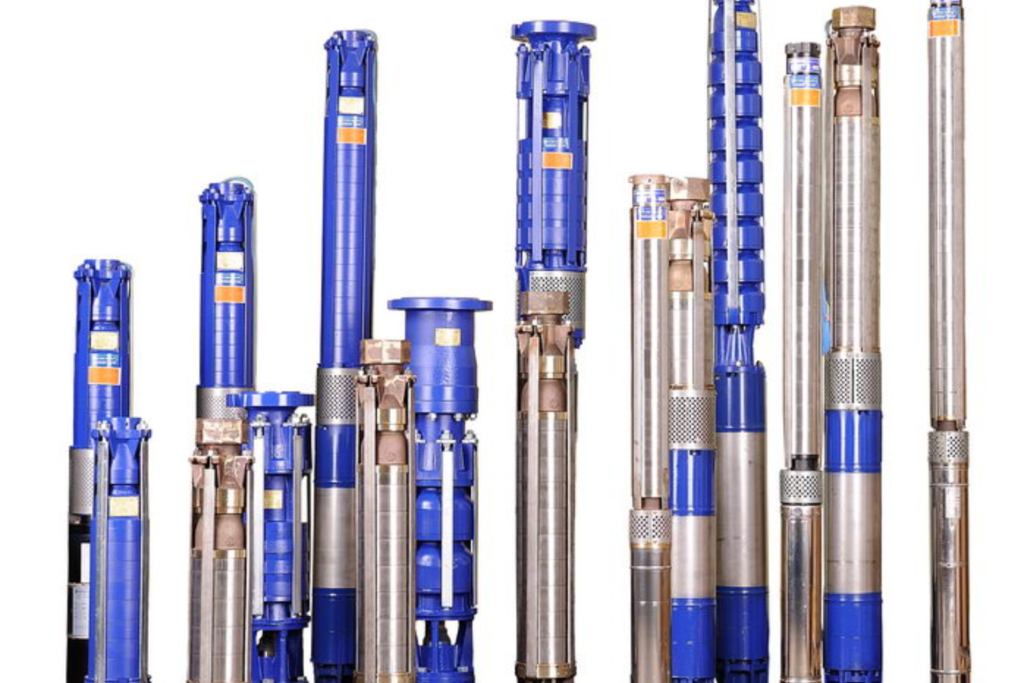
That’s why properly designed well water systems are more than just technical equipment — they’re essential tools for peace of mind. They help ensure water remains safe, balanced, and suitable for everyday use, whether it’s for drinking, cooking, or bathing.
The Moment People Start Noticing Water Differences
Interestingly, most homeowners don’t start researching water solutions because of scientific reports or environmental concerns. It’s usually much simpler than that.
It might be the morning coffee that suddenly tastes bitter. Or soap that refuses to lather properly. Or white stains appearing on dishes and fixtures. Small annoyances, at first. But over time, they add up.
That’s when curiosity kicks in. People begin asking questions, testing water quality, and exploring possible improvements. And often, they’re surprised by how much difference the right approach can make.
Understanding How Filtration Makes an Impact
Water filtration isn’t a one-size-fits-all solution. Every water source has its own characteristics, and that means treatment methods need to match specific needs. Some homes deal with high iron content, others struggle with hardness minerals, and some face organic contaminants.
This is where modern filtration products really shine. They’re designed to target precise issues rather than offering generic solutions. Sediment filters remove particles, carbon filtration improves taste and odor, and advanced systems can address more complex concerns like microbial contamination.
What’s reassuring is that filtration technology has become more accessible and user-friendly over the years. Homeowners no longer need specialized expertise to maintain effective systems. In many cases, routine maintenance is straightforward and predictable.
Why Availability Matters More Than People Expect
Here’s something that often gets overlooked: the importance of accessibility when it comes to water equipment. Having the right system installed is one thing. Being able to maintain or upgrade it without delays is another.
Many suppliers now emphasize keeping a large inventory stock of essential components. This means homeowners can quickly replace filters, upgrade parts, or address unexpected issues without waiting weeks for shipments.
That convenience plays a bigger role than most people realize. When maintenance is easy and supplies are readily available, people are more likely to stay consistent with upkeep — and that consistency directly impacts water quality.
The Emotional Side of Clean Water
It’s easy to think about water quality purely in technical terms: filtration levels, mineral content, safety standards. But there’s also a quieter emotional dimension that often gets overlooked.
Clean, balanced water changes how daily life feels.
Showers become more comfortable. Laundry comes out softer. Drinking water tastes fresh without needing bottled alternatives. Even simple routines like washing dishes or watering plants start to feel smoother and more satisfying.
These aren’t dramatic transformations. They’re subtle improvements that accumulate over time, quietly enhancing everyday living.
The Long-Term Perspective
One of the most valuable aspects of investing in water systems is longevity. Unlike many household upgrades that become outdated quickly, well-designed water solutions can remain effective for years with proper maintenance.
This long-term reliability makes them not just practical choices but also financially sensible ones. Preventing scale buildup, reducing appliance wear, and avoiding costly repairs all contribute to long-term savings.
In a way, water treatment systems act like silent protectors — working constantly in the background without demanding much attention.
A Growing Awareness Among Homeowners
In recent years, there’s been a noticeable shift in how people approach water management. More homeowners are becoming proactive rather than reactive. Instead of waiting for visible problems, they’re choosing to test and optimize water quality early.
This shift reflects broader awareness about environmental sustainability, health considerations, and resource responsibility. Water is no longer seen as something guaranteed and unlimited. It’s recognized as a vital resource that requires thoughtful management.
And this awareness is spreading steadily — through community discussions, online resources, and shared experiences.
A Simple Truth About Water and Wellbeing
At its core, the conversation about water systems isn’t just about technology or infrastructure. It’s about quality of life.
Clean, reliable water supports health, comfort, and everyday convenience. It shapes how homes function, how appliances perform, and how people experience daily routines.
Perhaps that’s why water solutions often feel more meaningful than other household upgrades. They’re not just about improving something external — they’re about enhancing something deeply personal.
Because in the end, water touches every part of life. And when it flows clean, balanced, and dependable, it quietly supports the comfort and wellbeing we often take for granted.