Most of us assume our water is fine.
We turn on the tap, fill a glass, rinse vegetables, run the dishwasher—and rarely stop to question what’s actually flowing through those pipes. Unless there’s a strange smell or obvious discoloration, water quality tends to sit low on the list of daily concerns.
But here’s the thing: water doesn’t have to look bad to carry minerals, sediment, or chemical traces that affect your home, your appliances, and sometimes even your comfort.
And the smartest place to start? Not with a product. Not with a sales pitch. But with information.
Why Guessing Isn’t a Strategy
It’s tempting to jump straight to a solution. You notice scale on your faucets, so you assume you need a softener. You taste chlorine, so you assume you need filtration.
Maybe you’re right. Maybe you’re not.
Water varies significantly by region. Municipal supplies differ from well water. Seasonal changes affect composition. Even two homes in the same neighborhood can experience slightly different water profiles depending on plumbing and infrastructure.
That’s why starting with water quality testing is critical. It gives you clarity. Instead of buying equipment based on assumptions, you make decisions based on data.
Testing removes emotion from the equation.
What Testing Actually Reveals
A proper water analysis can uncover several things:
- Hardness levels (calcium and magnesium content)
- pH balance
- Chlorine or chloramine presence
- Sediment levels
- Iron, sulfur, or other naturally occurring elements
None of this is inherently alarming. In fact, most municipal water is safe by regulatory standards. But “safe” doesn’t always mean optimal for your home or preferences.
For example, hard water isn’t dangerous—but it can shorten the lifespan of water heaters and appliances. Chlorine disinfects effectively—but some homeowners dislike its taste.
Testing helps you separate genuine concerns from harmless quirks.
The Appeal of a Free First Step
Many reputable providers offer a free water analysis as a starting point. It’s a low-pressure way to understand your water profile without committing to equipment immediately.
Of course, it’s wise to choose providers carefully. Transparency matters. You want clear explanations, not exaggerated fear-based messaging.
A good analysis should feel educational, not alarming.
Once you understand what’s in your water, you can evaluate whether treatment is necessary—or if simple adjustments will suffice.
When Treatment Makes Sense
Sometimes testing reveals minimal issues. In that case, peace of mind may be the only outcome—and that’s valuable.
Other times, results show high hardness levels, elevated sediment, or taste-impacting compounds.
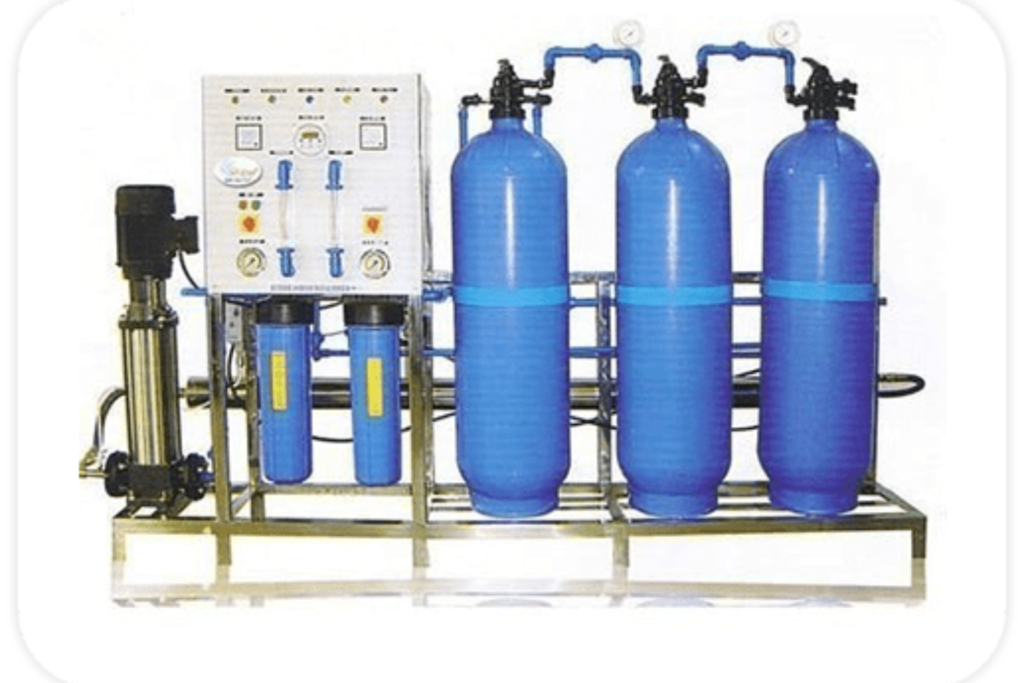
This is where treatment solutions come into play.
If hardness is high, a softener might protect plumbing and appliances. If chlorine or taste concerns are prominent, filtration could improve drinking water quality. If multiple issues appear, a combined approach may make sense.
The key is alignment. The solution should address the problem—no more, no less.
Installation Isn’t Just Plug and Play
If you decide to move forward with treatment, professional system installation can make a significant difference in long-term performance.
Improper installation can reduce efficiency, create leaks, or limit system lifespan. A well-installed system, on the other hand, integrates seamlessly with your plumbing and requires minimal day-to-day attention.
Installation isn’t about complexity. It’s about precision.
And once it’s done properly, water treatment often fades into the background—quietly improving quality without constant maintenance.
The Maintenance Factor
It’s worth mentioning that no system is truly “set it and forget it.”
Filters need replacing. Softeners require salt replenishment. UV systems require occasional bulb changes.
Neglecting maintenance can reduce effectiveness over time.
But when upkeep becomes routine—like changing an HVAC filter or cleaning gutters—it feels manageable.
The payoff? Consistent water quality without ongoing guesswork.
Subtle Benefits, Daily Impact
One interesting thing about improving water quality is how quickly the changes become normal.
You might notice that your skin feels less dry after showers. That your dishwasher leaves fewer spots. That coffee tastes smoother.
None of these are dramatic transformations. But they’re consistent.
And consistency in daily comfort adds up.
Protecting What You Don’t See
Water doesn’t just affect what you taste or feel—it impacts what you don’t see.
Mineral buildup inside pipes. Scaling in water heaters. Wear on washing machine components.
Addressing water quality can extend appliance lifespan and reduce maintenance costs. It’s not glamorous, but it’s practical.
In commercial environments—restaurants, hotels, manufacturing facilities—the stakes are even higher. Water issues can disrupt operations or damage expensive equipment.
Testing and targeted treatment become part of operational strategy, not just personal preference.
Avoiding Overcorrection
There’s a balance to strike.
Not every home needs a complex multi-stage system. Not every water test requires immediate action.
Sometimes the smartest choice is simply awareness.
Testing empowers you to act thoughtfully, not reactively.
And in a market full of bold claims and aggressive marketing, clarity is refreshing.
Starting With Information
If you’re curious about your home’s water, start small.
Schedule testing. Review results carefully. Ask questions. Understand what’s necessary—and what isn’t.
Water treatment isn’t about chasing perfection. It’s about aligning quality with your expectations and protecting your home’s infrastructure.
When you approach it thoughtfully, the process feels less like a sales decision and more like informed home care.