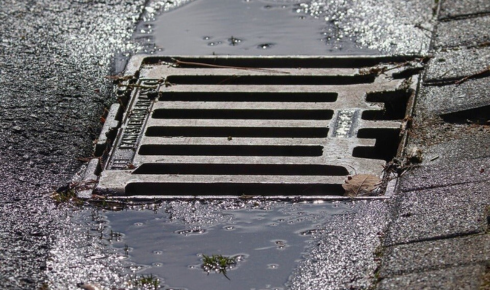
For decades, gravity drainage has been the backbone of plumbing systems in India. The principle is simple: wastewater flows downward using natural slope, guided by pipes laid during construction.
But as Indian buildings evolve, becoming taller, denser, and more flexible in design, gravity drainage is increasingly showing its limits.
From offices struggling to add pantries to apartments facing repeated drainage issues, gravity-based systems are often no longer sufficient. Understanding why they fail is the first step toward choosing smarter alternatives.
How Gravity Drainage
Gravity drainage relies on:
- Proper pipe slopes
- Fixed vertical stacks
- Pre-planned wet areas
- Predictable water flow
In older buildings with simple layouts, this worked well. Kitchens, toilets, and utility areas were stacked vertically, ensuring wastewater flowed easily downward.
But modern Indian construction has changed dramatically.
The Reality of Modern Indian Buildings
Today’s buildings are:
- High-rise and mixed-use
- Space-constrained
- Designed for flexibility
- Often renovated or repurposed
This shift exposes the weaknesses of gravity drainage.
1. Fixed Plumbing vs Flexible Spaces
Modern offices and coworking spaces constantly change layouts. Pantries, wash areas, and utility points are often added after construction.
Gravity drainage fails because:
- Drainage points are fixed
- Slopes can’t be created without breaking floors
- Pipes can’t run freely across long distances
If a sink or pantry is far from a drainage stack, gravity alone simply won’t work.
2. Lack of Proper Slope in High-Rise Buildings
Gravity drainage depends heavily on slope. In high-rise Indian buildings:
- Floor heights are limited
- Slabs are thin
- Retrofitting slope is impractical
Even a small miscalculation can lead to:
- Slow drainage
- Water stagnation
- Frequent blockages
This is a common issue in both residential and commercial towers.
3. Renovations Break the Gravity Logic
Renovations are now the norm:
- Apartments add extra bathrooms
- Offices add multiple pantries
- Retail spaces install wash areas
But gravity drainage systems were never designed for these changes. Extending pipes horizontally over long distances reduces efficiency and increases failure risk.
Result? Frequent choking and leakage complaints.
4. Building Restrictions & No-Civil-Work Zones
In many Indian societies and commercial buildings:
- Floor breaking is restricted
- Structural changes need approval
- Wet areas outside designated zones are not allowed
Gravity drainage requires civil work making it incompatible with modern compliance rules.
5. Basement & Below-Drain-Level Spaces
Basements, parking levels, and sunken spaces are increasingly used for:
- Offices
- Gyms
- Cafeterias
- Utility rooms
Gravity drainage cannot function below the main sewer level. Without assistance, wastewater simply has nowhere to go.
The Result: Chronic Plumbing Failures
When gravity drainage is forced beyond its limits, buildings experience:
- Backflow issues
- Foul odours
- Recurrent blockages
- Costly maintenance
- Business downtime
Clearly, relying only on gravity is no longer enough.
The Smarter Alternative: Pump-Assisted Drainage Systems
This is where pump-assisted drainage comes in.
Instead of relying on slope, these systems:
- Collect wastewater in a sealed chamber
- Actively pump it to the nearest drain
- Work horizontally or vertically
- Eliminate dependence on gravity
One of the most trusted names in this space is SFA Pumps.
SFA Pumps: Designed for Modern Building Challenges
SFA Pumps specializes in compact wastewater and grey water lifting solutions used globally in residential, commercial, and industrial settings.
Let’s look at two SFA pumps that directly solve gravity drainage failures.
1. SFA Sanicom 2, For High-Load Commercial Applications
The Sanicom 2 is built for environments where gravity drainage simply cannot cope.
Key Advantages:
- Dual-motor system for continuous operation
- Handles hot water up to 90°C
- High pumping capacity for heavy usage
- Ideal for multiple connections
Where It’s Used:
- Office pantries
- Commercial kitchens
- Hospitals and labs
- Basements below sewer level
Sanicom 2 allows drainage to function efficiently even when slope, distance, and height work against gravity.
2. SFA Sanivite, Compact Solution for Everyday Drainage Problems
For smaller-scale applications, Sanivite offers a compact yet reliable alternative.
Why Sanivite Works:
- Fits under sinks and cabinets
- Quiet operation
- Handles wastewater from sinks, dishwashers, and washing machines
- Minimal installation effort
Ideal For:
- Apartments during renovation
- Small offices
- Cafés and retail outlets
Sanivite makes it possible to add wet areas without depending on gravity or structural changes.
Gravity Drainage vs Pump-Assisted Drainage
| Factor | Gravity Drainage | Pump-Assisted System |
| Flexibility | Very limited | Highly flexible |
| Renovation-friendly | No | Yes |
| Basement use | Impossible | Fully possible |
| Civil work | Mandatory | Minimal / none |
| Reliability | Declines over distance | Consistent |
When Should You Move Beyond Gravity Drainage?
Consider pump-assisted drainage if:
- You’re renovating an existing space
- Wet areas are far from drainage stacks
- The space is below sewer level
- Civil work is restricted
- You need flexibility for future changes
In modern Indian buildings, these situations are becoming the norm—not exceptions.
Final Thoughts: Designing for Reality, Not Tradition
Gravity drainage isn’t obsolete but it’s no longer sufficient on its own.
Indian buildings today demand:
- Flexibility
- Space efficiency
- Minimal disruption
- Scalable infrastructure
Pump-assisted systems bridge the gap between traditional construction limitations and modern usage needs.
With proven solutions like Sanicom 2 and Sanivite, drainage no longer has to dictate design. Instead, buildings can be planned around people, productivity, and adaptability while wastewater quietly takes care of itself.