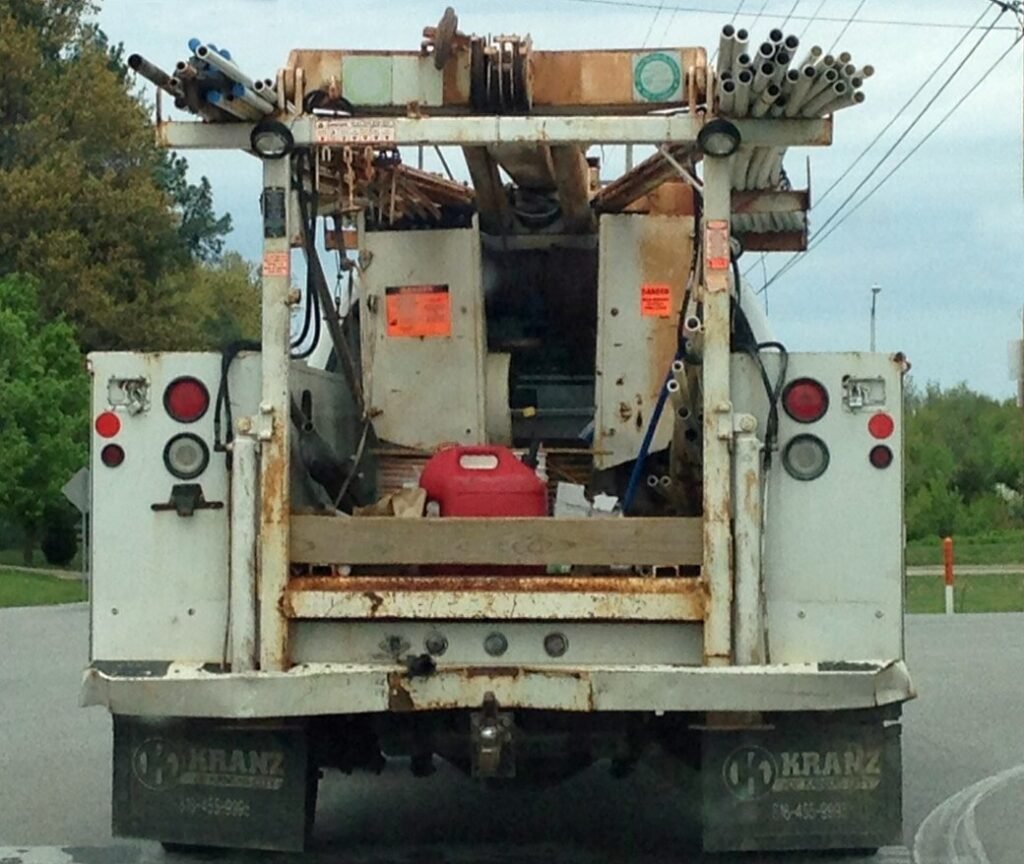
Rust has a way of showing up just when you thought a paint job would last. A utility trailer left outside for a couple of winters, an iron railing by the front steps, a farm gate that stays wet from morning dew: each one is a slow chemistry experiment. Stopping it takes more than another coat of spray paint.
Why steel rusts in the first place
Iron and steel corrode when they are exposed to oxygen and moisture, and the process speeds up with salt, road de-icers and pollutants in the air. The result, rust, is a form of iron oxide, a flaky, porous material that does nothing to protect the metal beneath it. Unlike the thin oxide layer that forms on aluminum, rust keeps absorbing moisture and spreading, often creeping under nearby paint where you can’t see it.
Surface preparation is most of the job
No coating will hold on top of loose rust, grease or old, peeling paint. How far you go depends on the item and the condition of the metal.
- Wire brushing and sanding work for light surface rust on railings and small parts. A wire wheel on a drill or angle grinder saves a lot of time.
- Abrasive blasting is the best choice for trailers, equipment frames and heavily pitted steel. It removes rust from pits and corners and leaves a textured profile that coatings grip well.
- Degreasing matters on equipment and trailer frames, which collect oil and road grime. Clean before and after mechanical prep.
Pay close attention to welds, seams, hinge areas and the inside corners of channel steel. These spots trap water, and they are usually where rust comes back first.
Primers, paints and rust converters
For light-duty items, a good rust-inhibiting primer followed by a compatible enamel topcoat can do a respectable job. Rust converters, which chemically change remaining rust into a more stable compound, are useful in places you can’t fully clean, but they are not a substitute for removing loose scale.
The weak point of brush-on and aerosol paint is thickness. Thin films chip easily, and every chip becomes an entry point for water. On a gate that gets bumped by a mower or a trailer that takes gravel strikes at highway speed, that happens quickly.
When DIY paint won’t last
Some items simply see too much abuse. Trailers, truck racks, plow parts, livestock equipment and railings near the coast face constant moisture, impact and abrasion. For these, a sprayed protective coating applied at a much heavier film build is often worth considering. Elastomeric spray coatings such as polyurea and polyurethane form a tough, flexible layer that resists chipping and seals out water instead of just covering the surface.
These coatings need professional equipment and careful prep, so they are usually applied in a shop rather than a driveway. If you are weighing that option, RustCoating.com is a helpful place to learn how sprayed rust protection works and what the process involves.
Keep it from coming back
Whatever finish you choose, maintenance extends its life. Rinse off salt and mud, touch up chips before they spread, keep drain holes on trailers clear, and store equipment off bare ground when you can. A little attention each season costs far less than cutting out and replacing rusted steel later.